

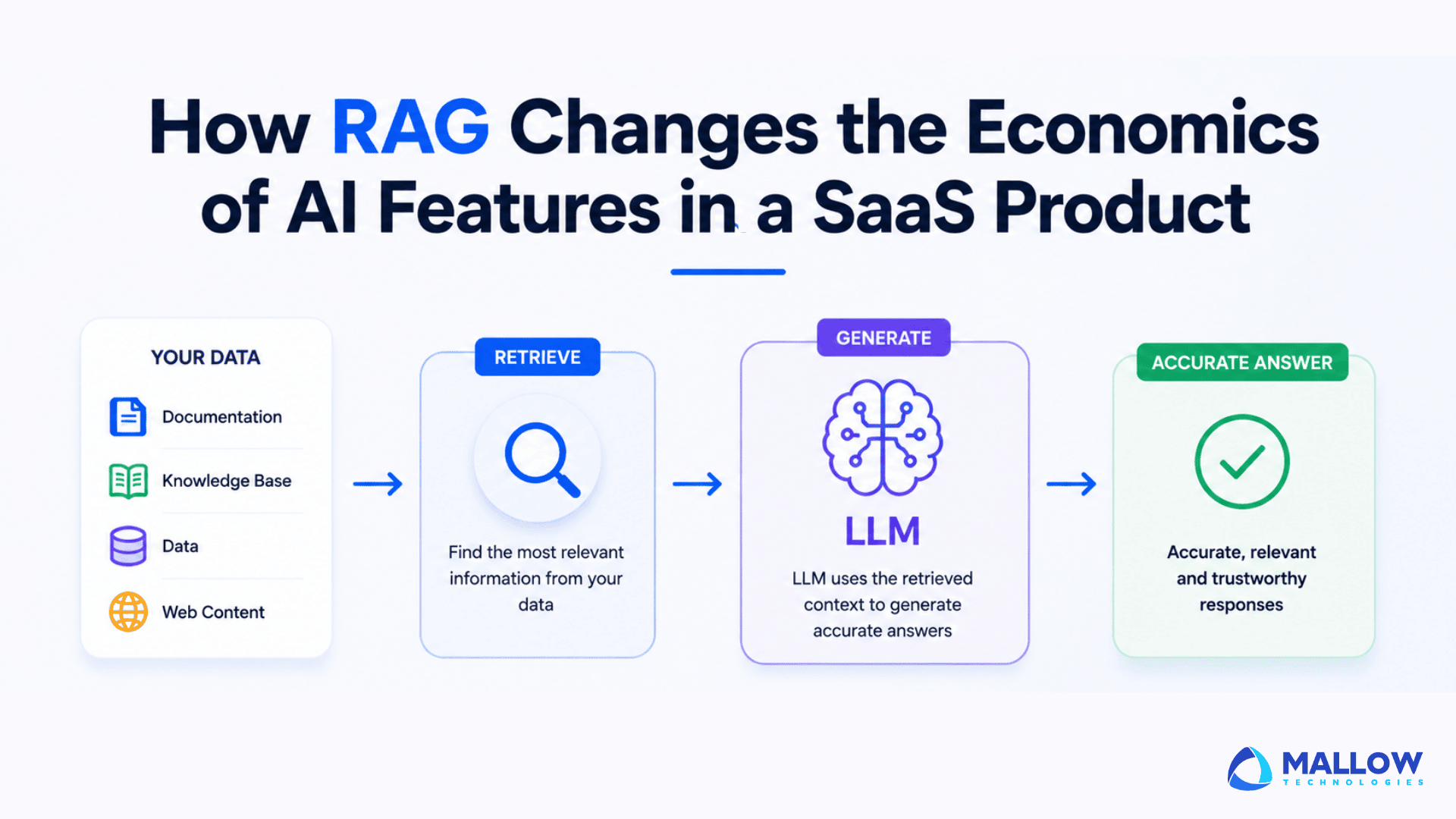
Most SaaS founders who have experimented with AI features hit the same wall. The model is impressive in demos and unreliable in production. It gives generic answers where specific ones are needed. It confidently describes things that are not true about the product. It fails to distinguish between what your product does and what a […]
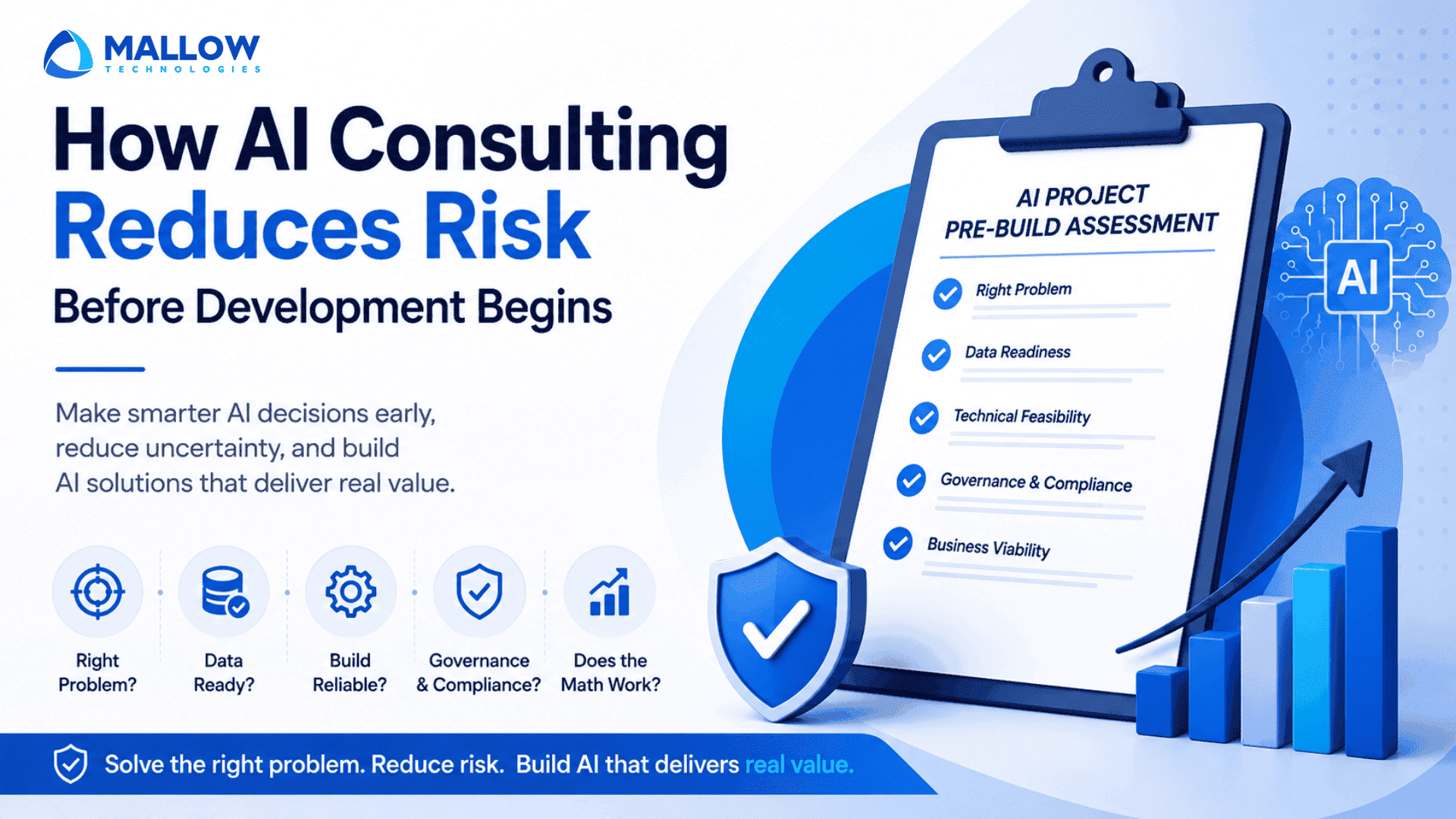
You have the budget approved. The board is excited. Someone on the team has already built a demo over a weekend that looked convincing enough to get everyone nodding. Now the pressure is on to turn that demo into a real feature inside your product, and the quiet worry sitting underneath the excitement is the one […]
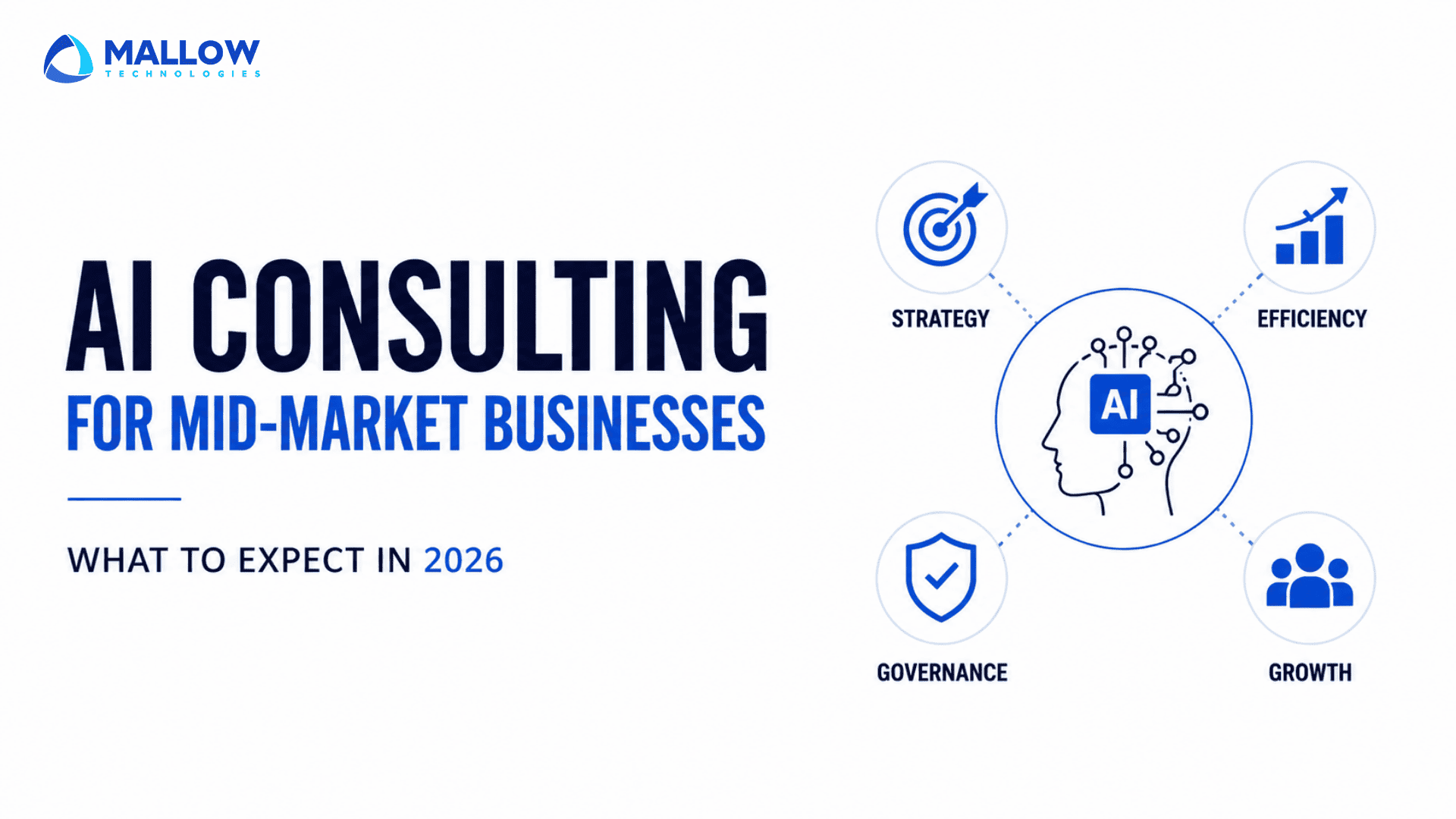
Artificial intelligence has reached a point where most mid-market companies are no longer asking whether they should adopt AI. The real question has become – how do we implement AI without wasting money, disrupting operations, or ending up with another failed technology initiative? That shift explains why AI consulting has become one of the fastest-growing advisory […]
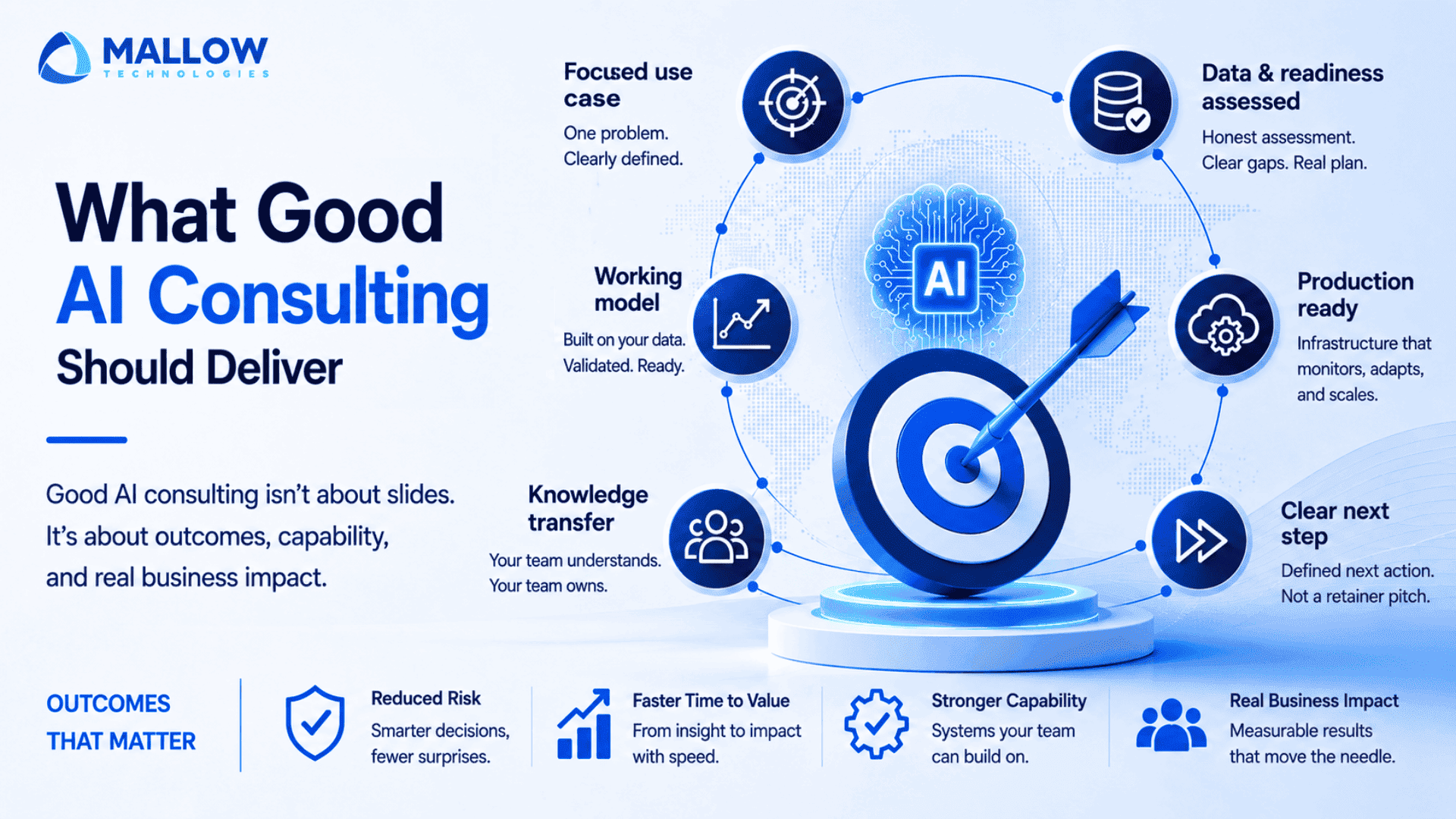
You hired an AI consulting firm. They ran workshops. They interviewed your team. They produced a comprehensive AI strategy presentation with a technology roadmap, a list of recommended vendors, and a prioritised list of use cases. The engagement closed. You have a deck. Six months later, nothing has been built. This is the most common outcome of AI consulting engagements. […]
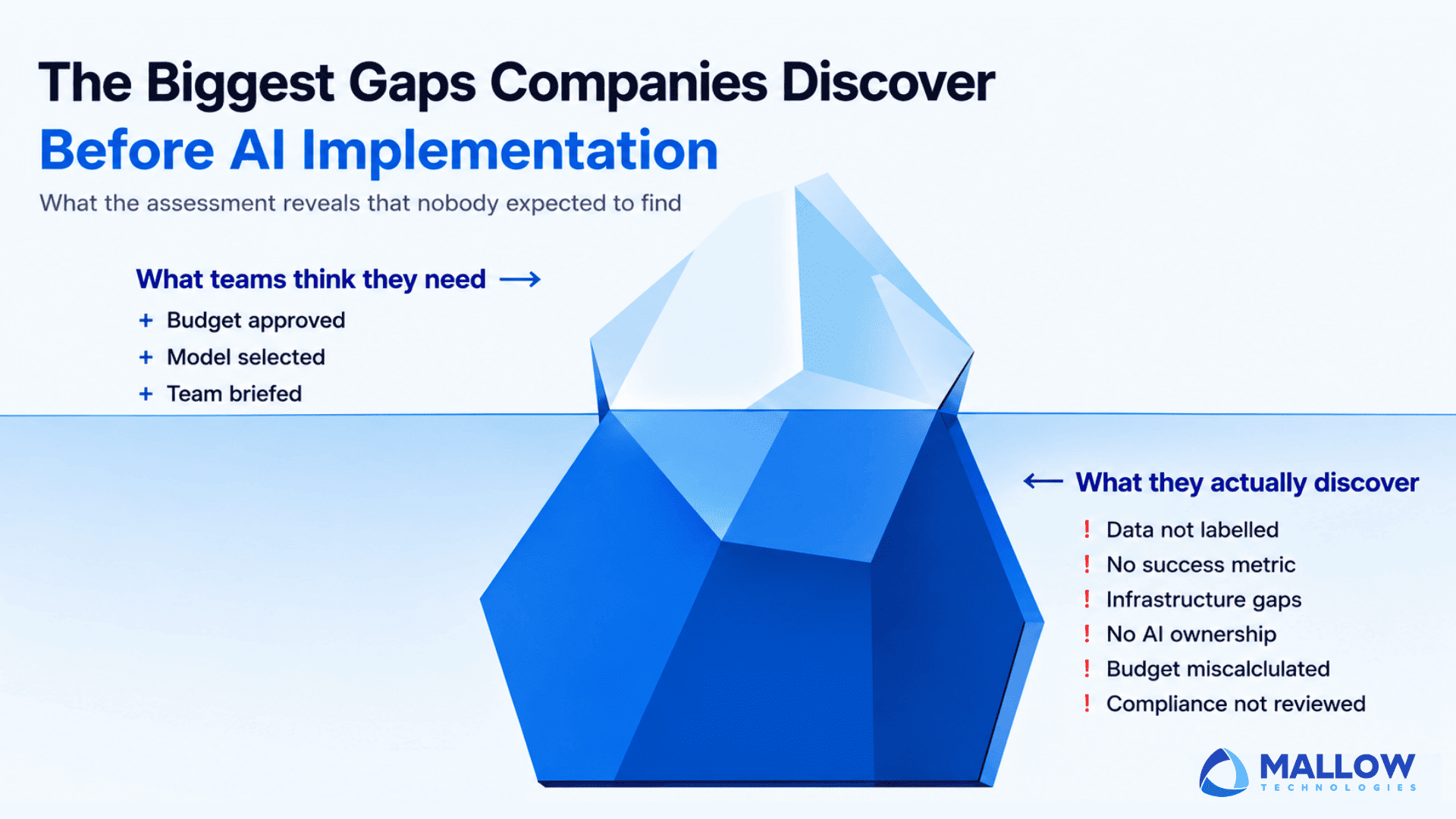
You ran the assessment. You sat down with your team, worked through the questions honestly, and found something you did not expect to find. Maybe it was the data, years of records with no labelling, no outcome signal, nothing a model can learn from. Maybe it was the use case, three people in the room […]
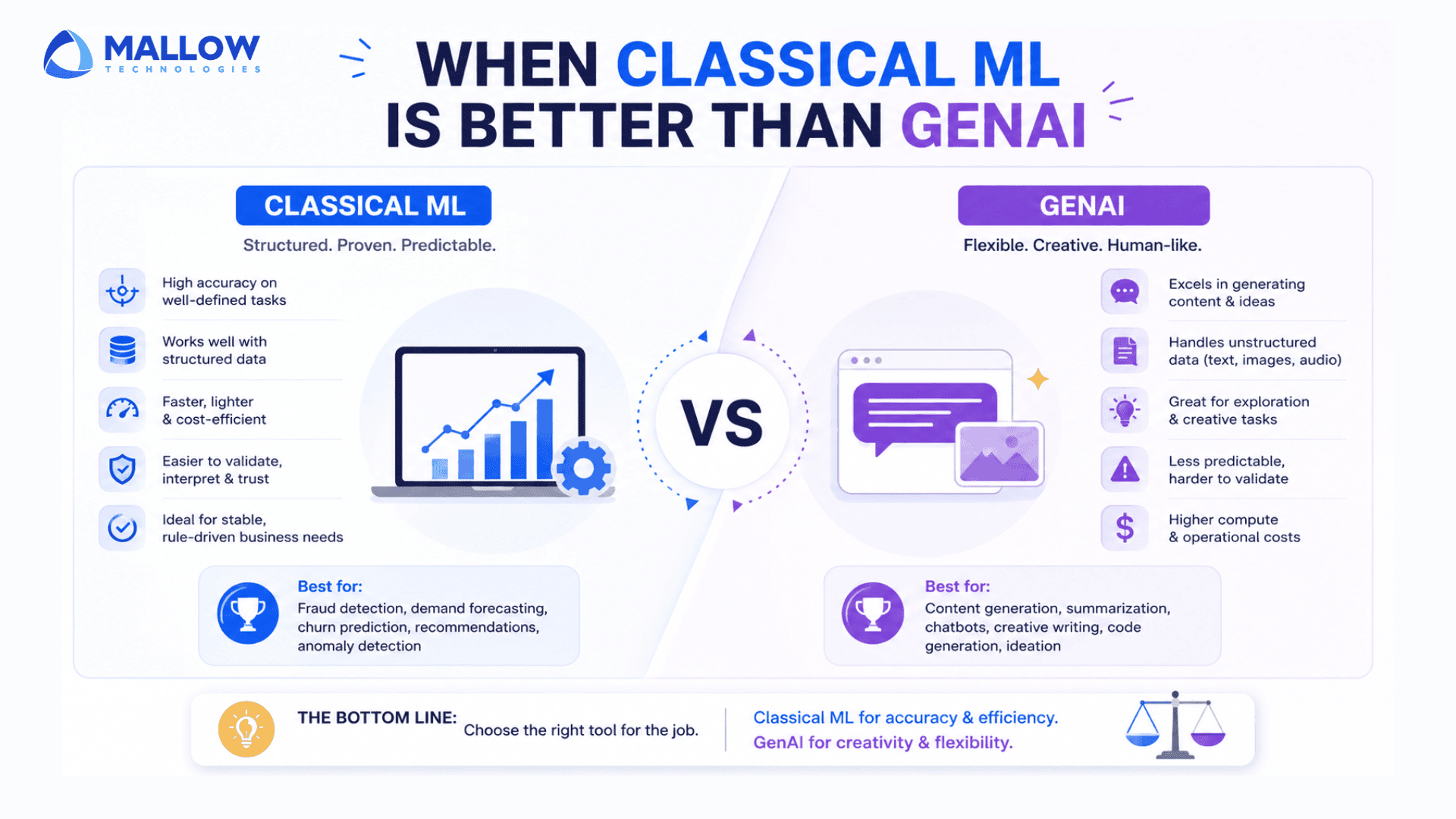
Somewhere in the last eighteen months, a decision got made in a lot of product teams that sounded reasonable at the time. The question was “should we add AI to this feature?” and the answer was “yes, we should use one of the big language models.” Nobody in the room pushed back. GenAI was what everyone was […]
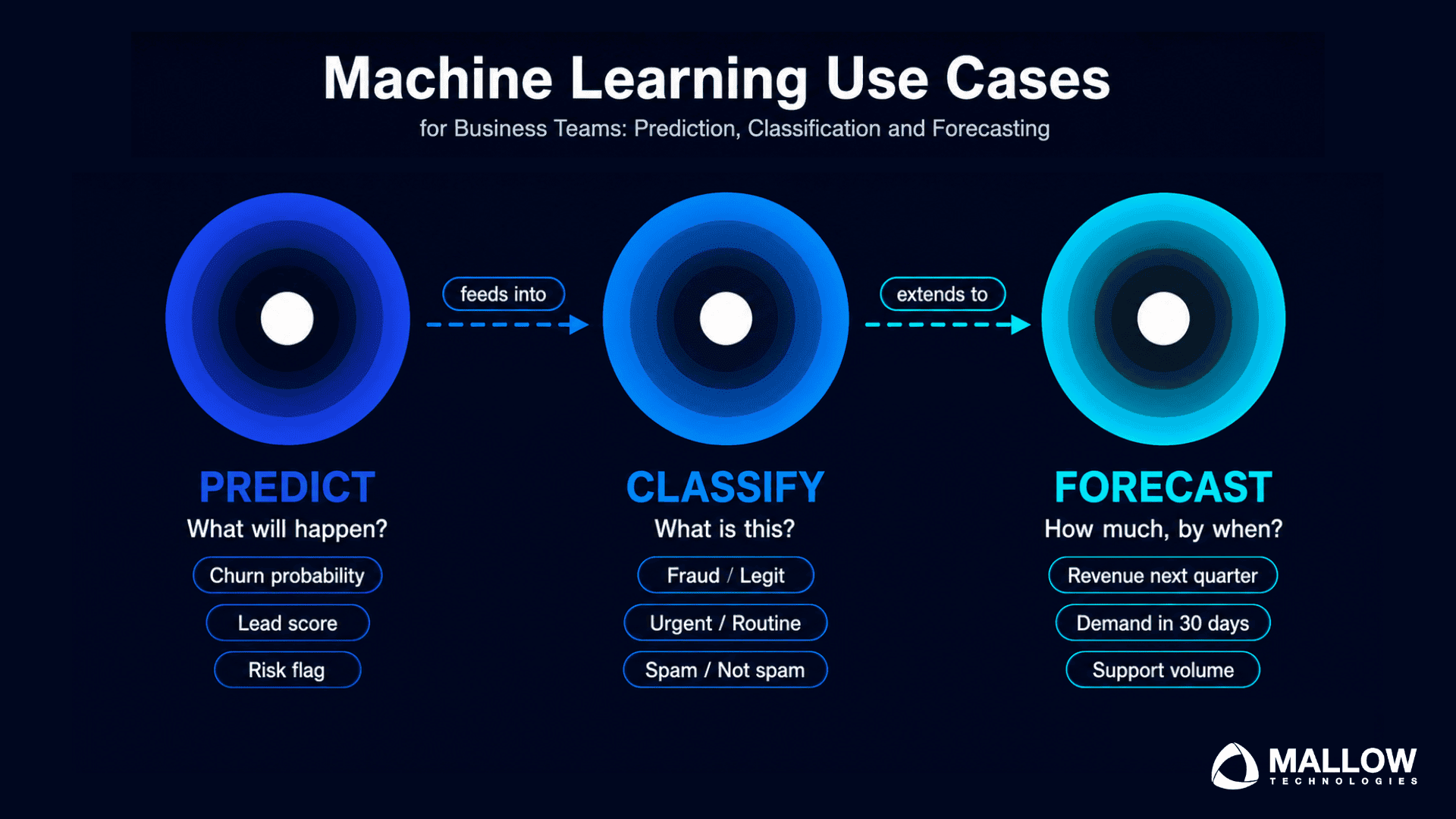
Your team has decided to add ML to the product. Now someone in the room says “we need to predict this” and someone else says “no, we need to classify it” and a third person is sketching a forecasting model on the whiteboard. The meeting ends without a decision. This confusion is not a technical problem. It […]
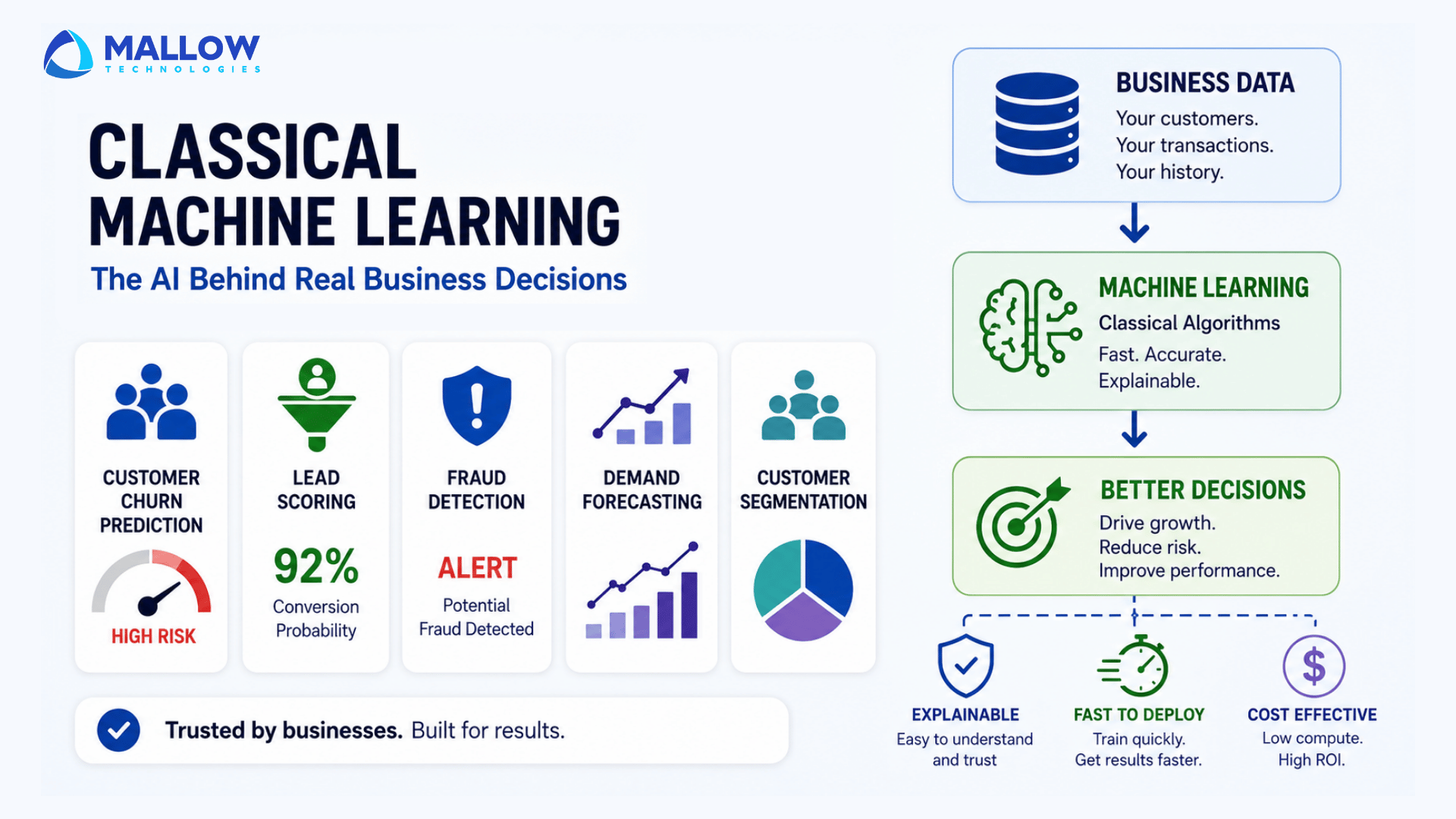
You have sat through three AI demos this quarter. Two of them involved GPT. One involved a neural network diagram nobody in the room fully understood. And somewhere in all of it, your team is trying to answer a very practical question – which customers are most likely to churn next month? That question does […]
Ask most engineering teams when they chose between RAG and fine-tuning and the honest answer is – before they fully understood the problem they were solving. A proof of concept gets built with whichever approach the team was most familiar with. That approach either works or does not. If it does not, the other approach […]
There is a distinction that most SaaS teams building GenAI features do not make early enough, and it costs them significantly when they discover it in production. The distinction is between users trusting your feature and your feature being trustworthy. A GenAI feature can earn user trust quickly. The outputs sound confident. The interface feels […]