

Most AI chatbots sound impressive for the first 30 seconds and then lose the user. They answer questions, but they do not help people move toward a decision, a booking, or a purchase. That is the difference between a chatbot that looks good and a chatbot that actually drives business value. For product and platform […]
For years, enterprise automation has largely operated on a predictable principle: define the rules, structure the workflow, and let the system execute repetitive tasks efficiently. That model helped businesses streamline a wide range of operational processes. Teams automated approvals, ticket routing, invoice processing, notifications, onboarding flows, and customer support escalations through predefined logic built into […]
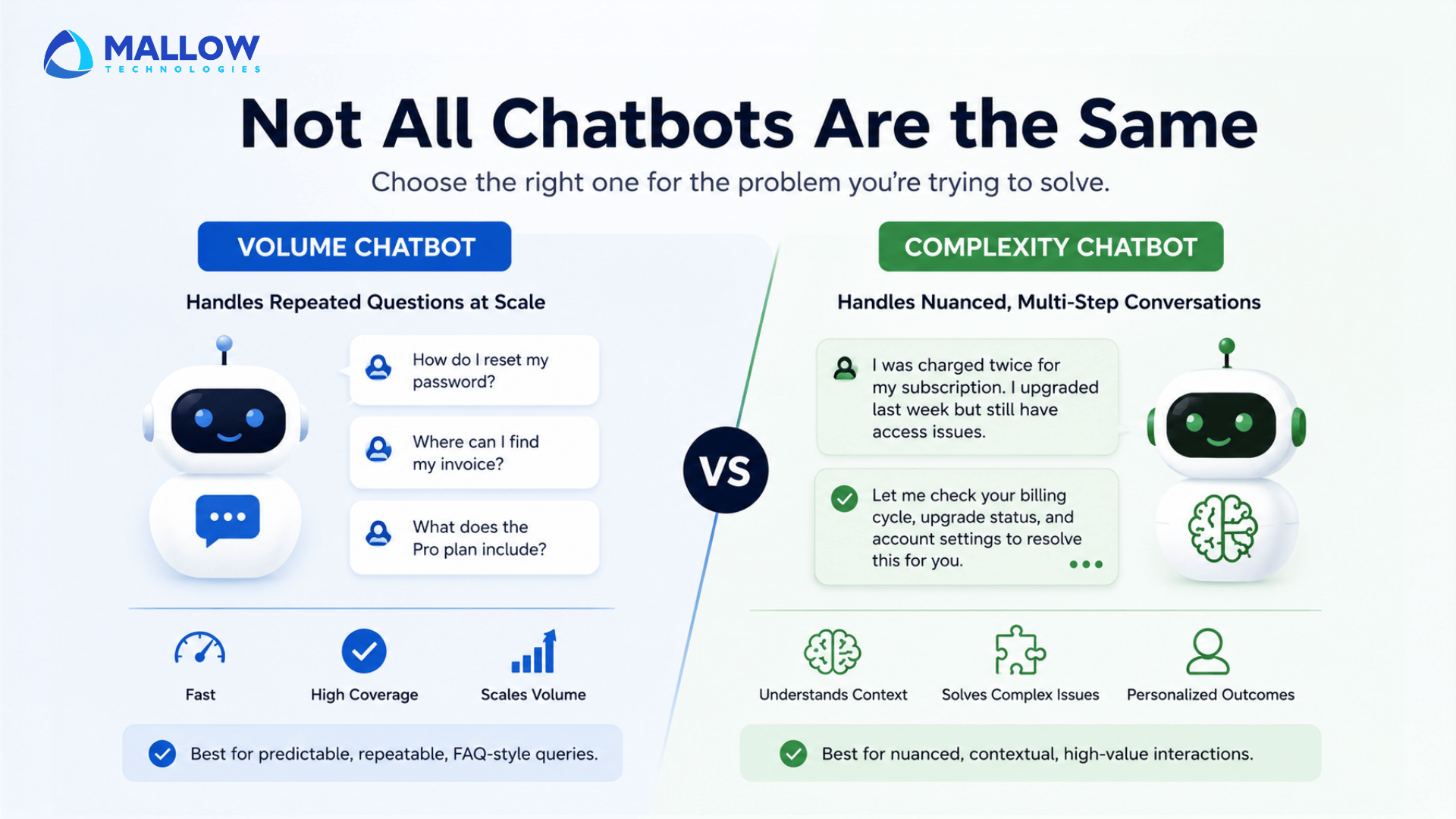
Most SaaS founders who deploy a chatbot are solving a volume problem. The support queue is full of the same questions. The tier-one team is spending most of its time on things that should not require a human. A chatbot that deflects those queries frees the team to work on what actually needs them. That is […]
Enterprise AI projects usually begin with excitement. A team experiments with a large language model, uploads a few internal documents, asks some questions, and suddenly the possibilities feel enormous. Employees can retrieve information conversationally. Customer support responses become faster. Internal search appears dramatically smarter. For a brief moment, it feels like the organization has solved […]
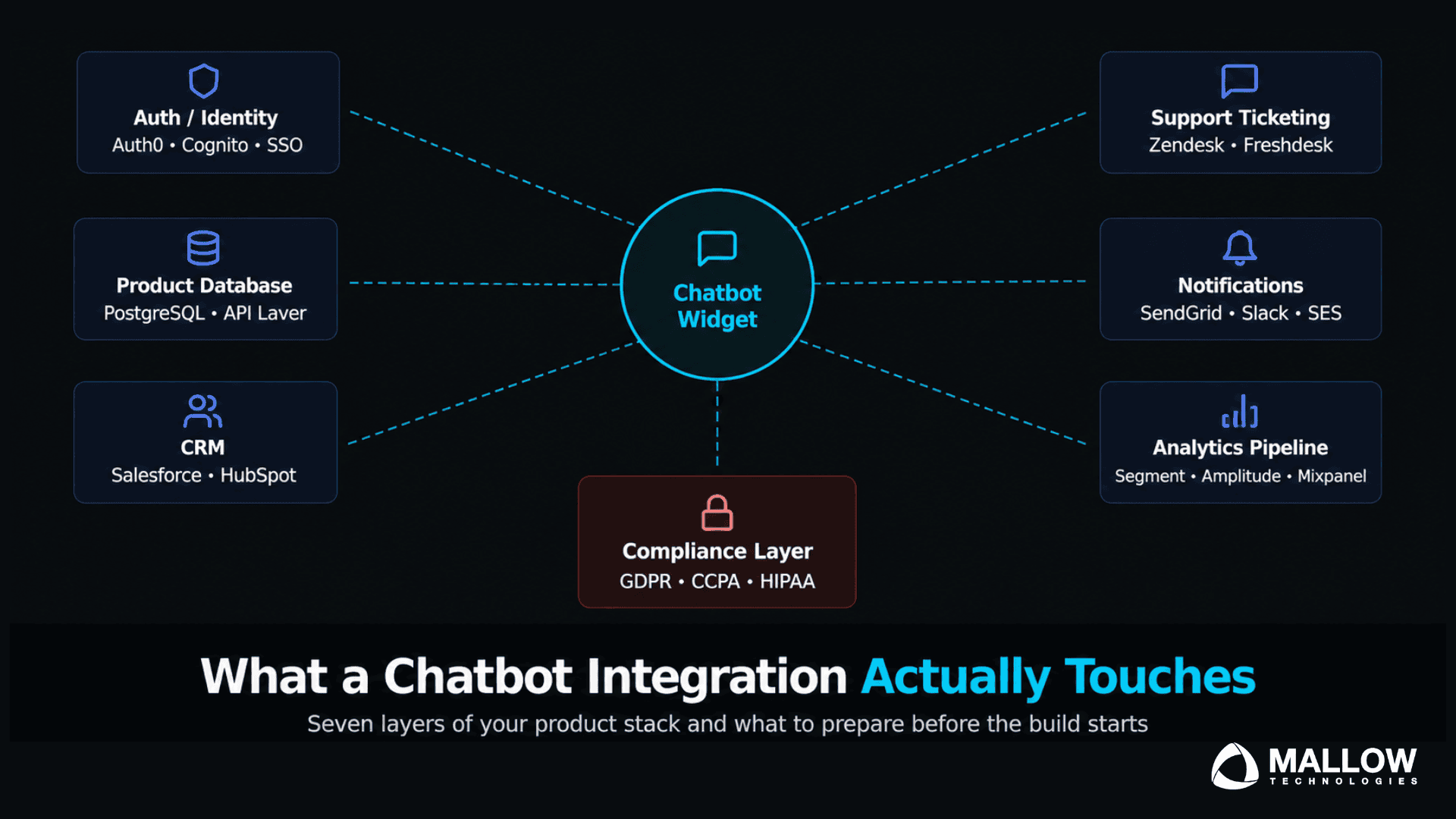
The typical chatbot conversation at a SaaS company goes like this. Someone on the founding team demos an AI support assistant at a conference or in a competitor product. The idea goes into the roadmap. A vendor is brought in or a build is scoped internally. The estimate comes back at six weeks and a budget that […]
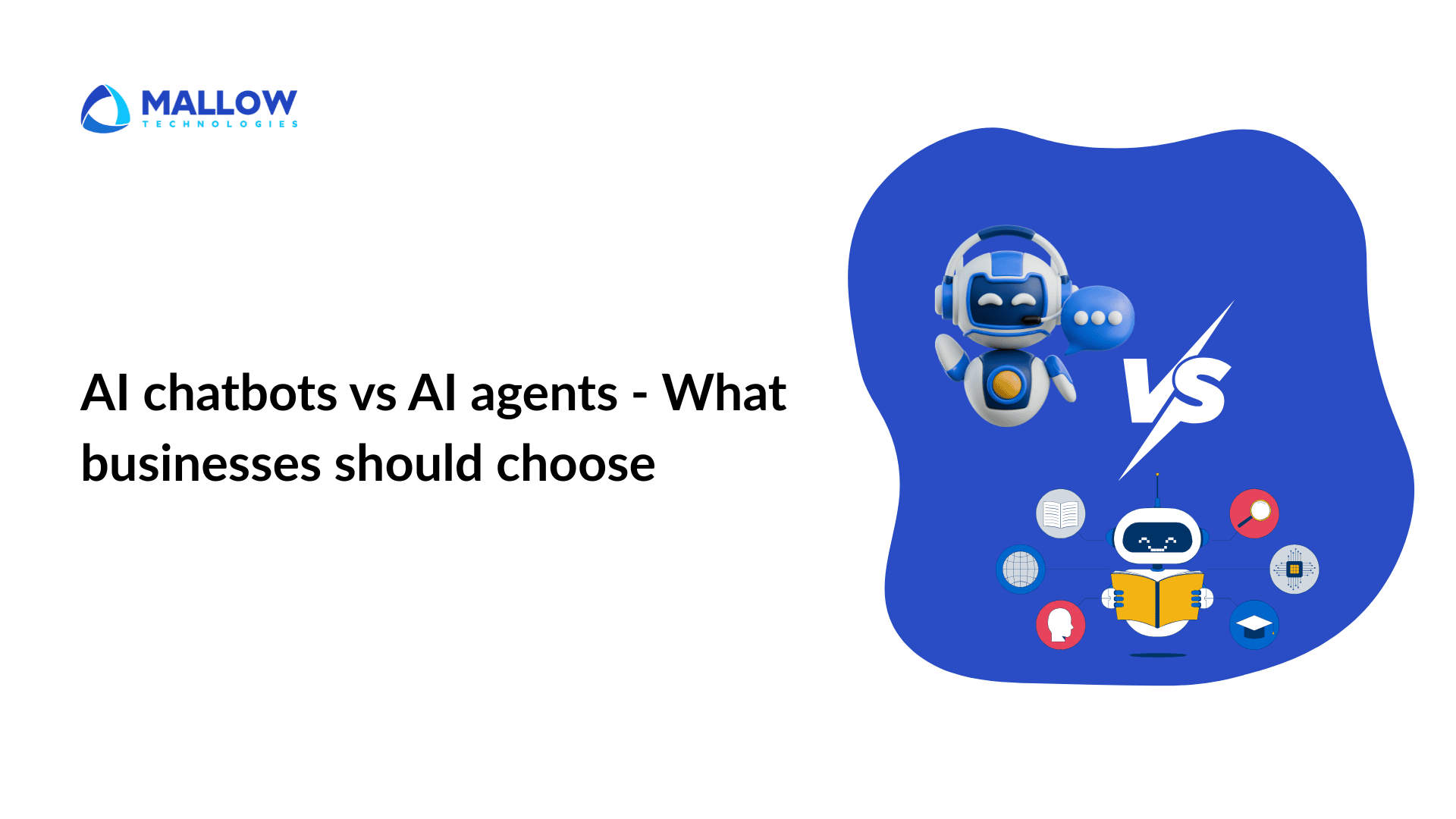
Most businesses hear “AI chatbot” and “AI agent” as if they mean the same thing. They do not. A chatbot is usually built to answer questions and guide users through a defined conversation, while an AI agent is designed to take action, make decisions within boundaries, and complete more complex tasks. For product and platform […]
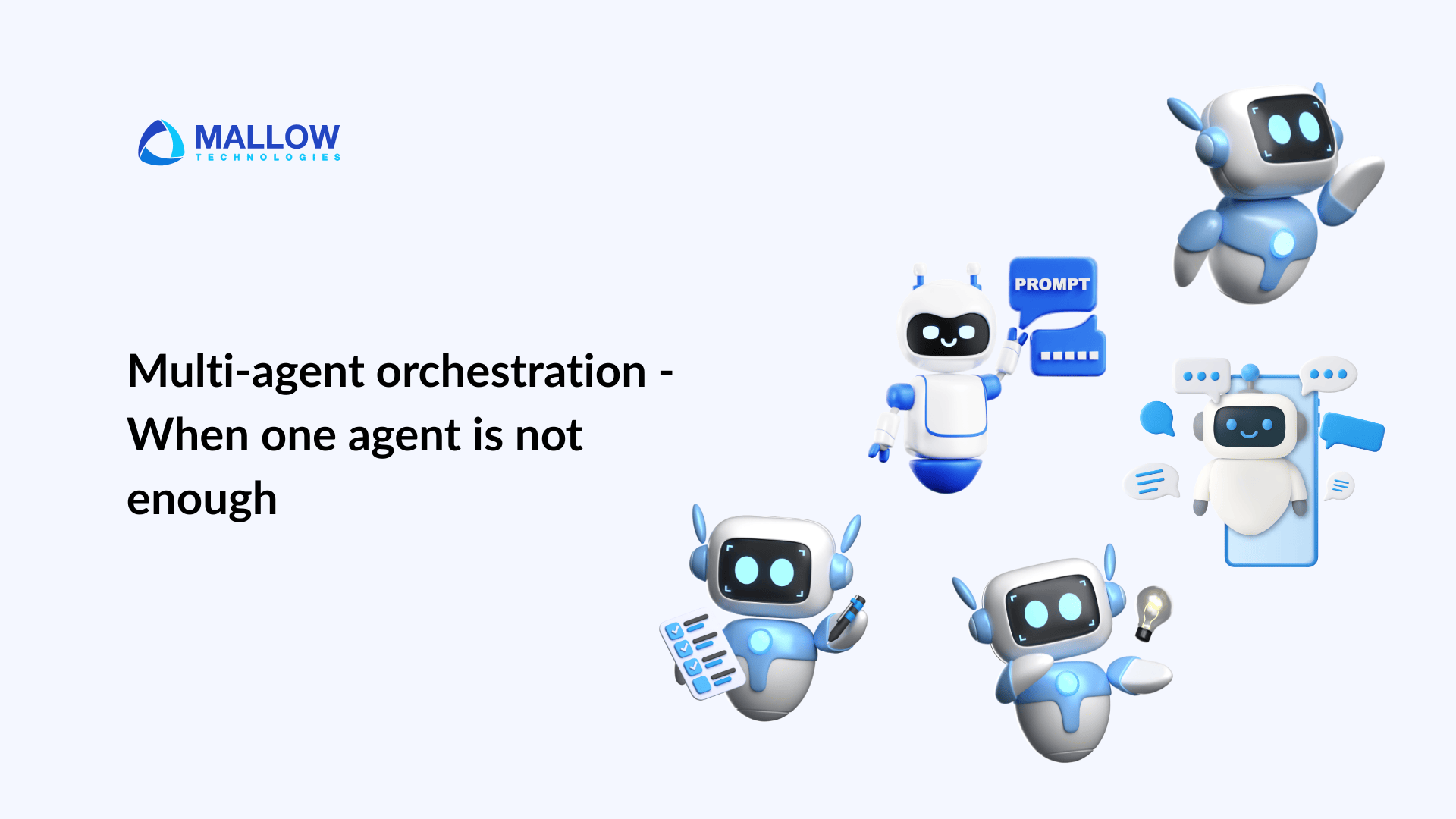
The first wave of enterprise AI adoption was largely centered around individual agents. A business would identify a repetitive workflow, connect a language model to a retrieval system or a few operational tools, and deploy an AI assistant capable of handling a specific set of tasks. In many early-stage implementations, this worked well enough. Teams […]
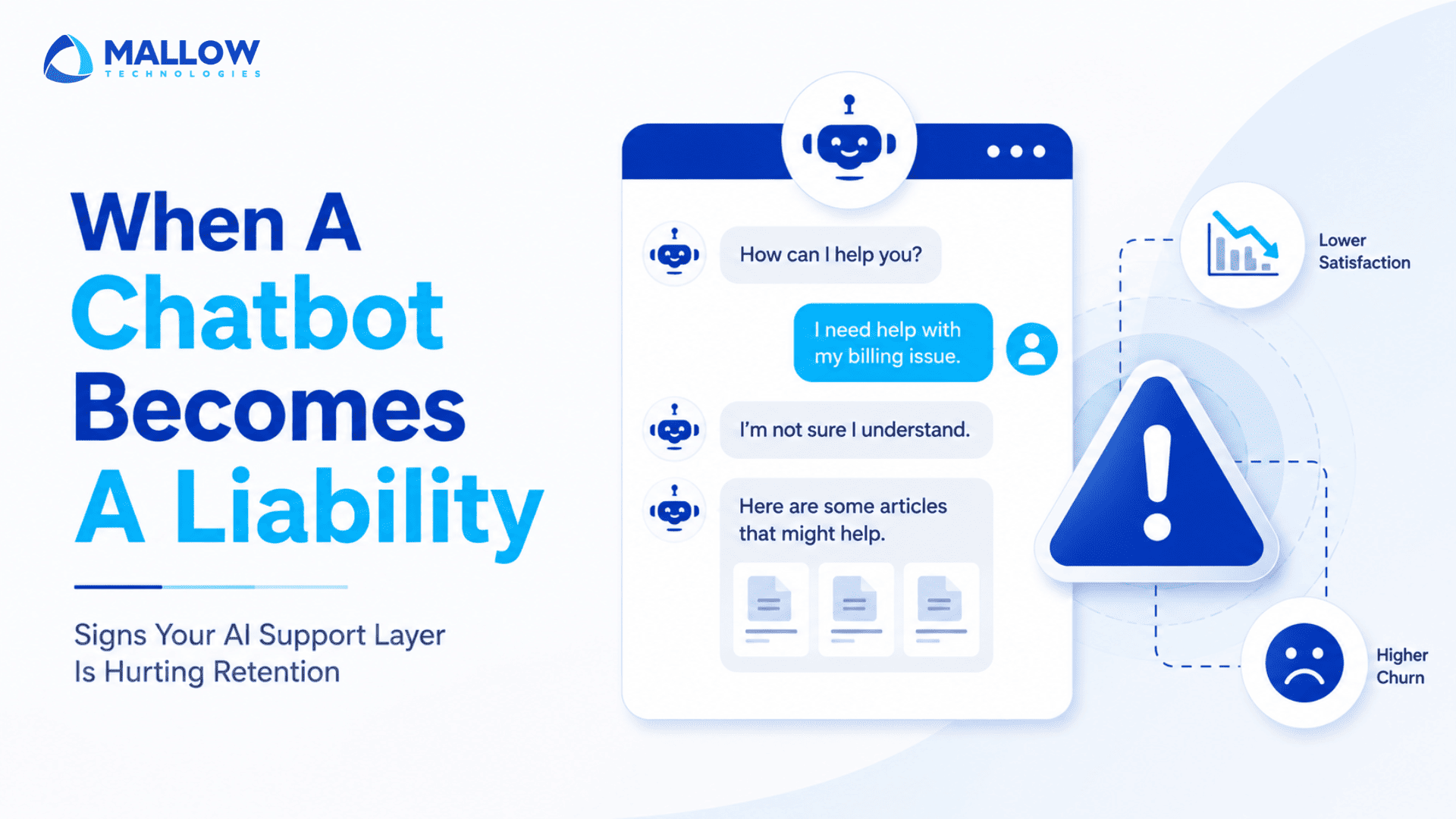
There is a particular kind of product decision that feels unambiguously right at the time. Deploying an AI support chatbot usually falls into that category. Reduce ticket volume, cut response time, free up your human agents for complex issues, improve support coverage to 24/7. The case is easy to make and the demos always look convincing. The problem […]
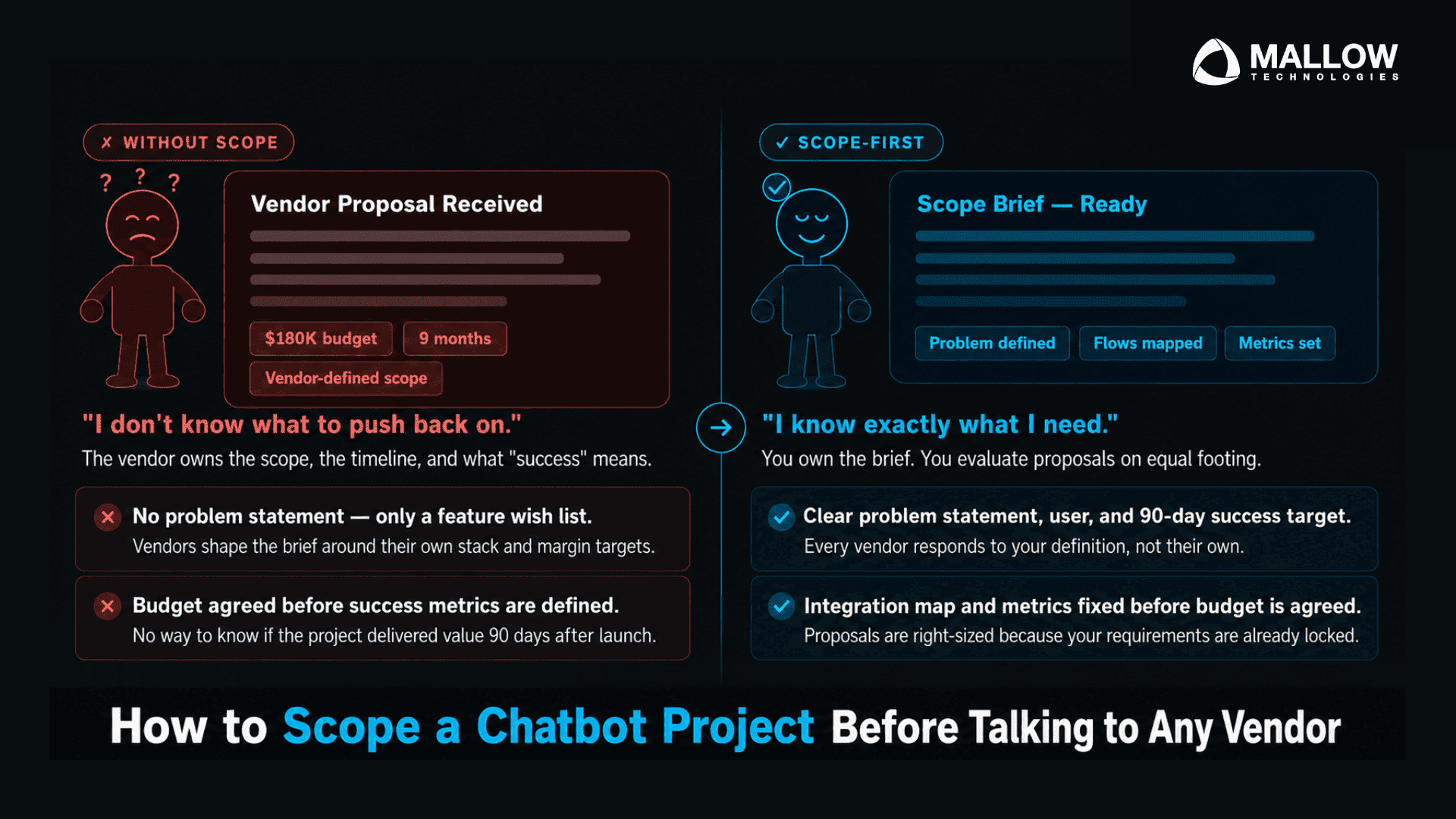
Most founders walk into their first vendor call for a chatbot project with a rough idea, a budget range, and a lot of optimism. They come out two weeks later with a proposal that costs twice what they expected, covers three times what they asked for, and includes a six-month timeline they do not fully […]
Every SaaS founder in our network is having some version of the same conversation right now. Someone on the team has pitched adding AI agents to the product. The board has asked about the AI roadmap. A competitor just shipped an “AI-powered” workflow. And now you are trying to figure out what any of this […]