
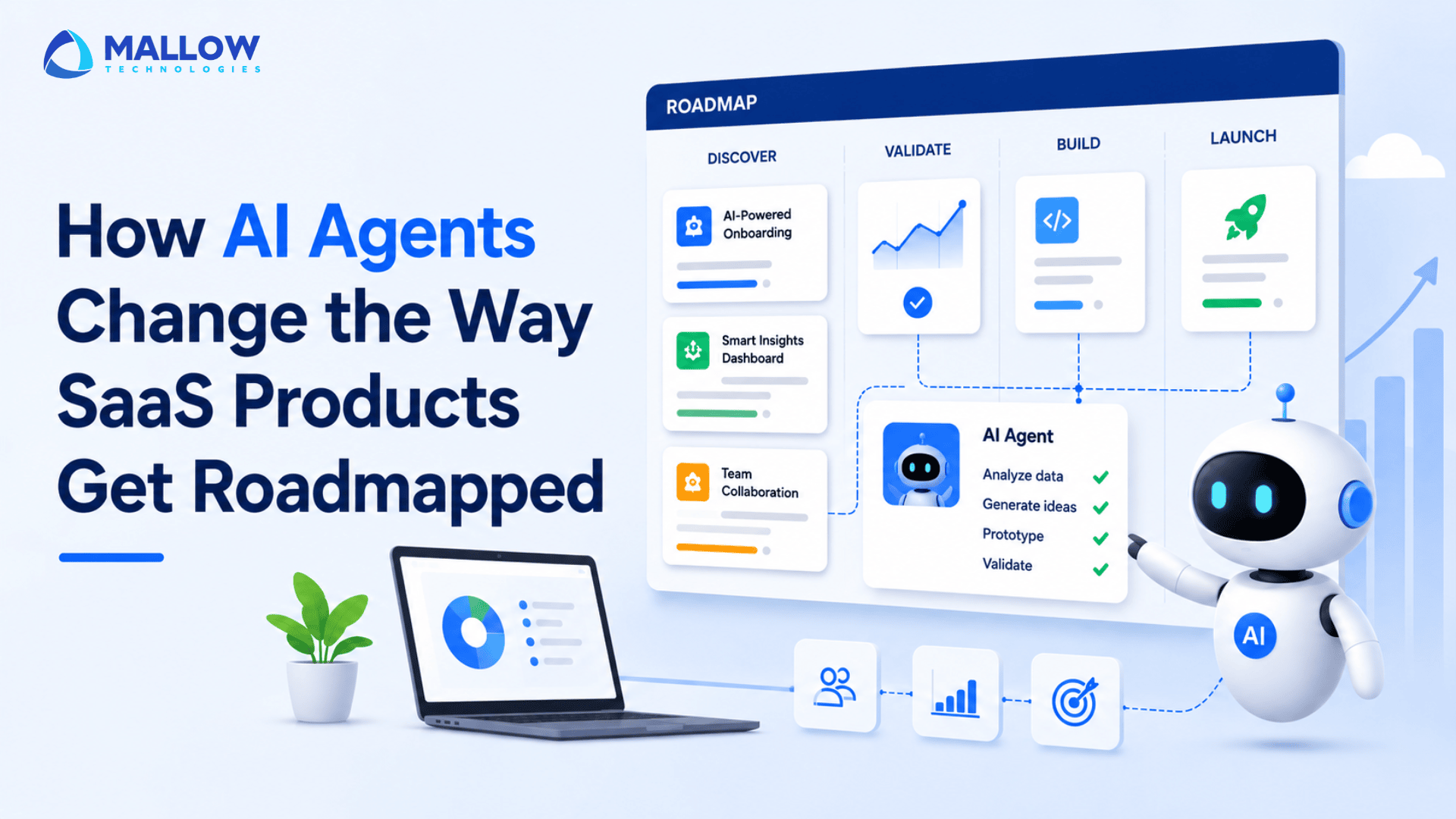
Every roadmap review has the same moment. Three good ideas, one quarter of engineering time, and a conversation about which two get cut. For most of software history, that tradeoff was the entire point of roadmapping. Prioritization frameworks like RICE and WSJF all ask some version of the same question: how much value do we […]
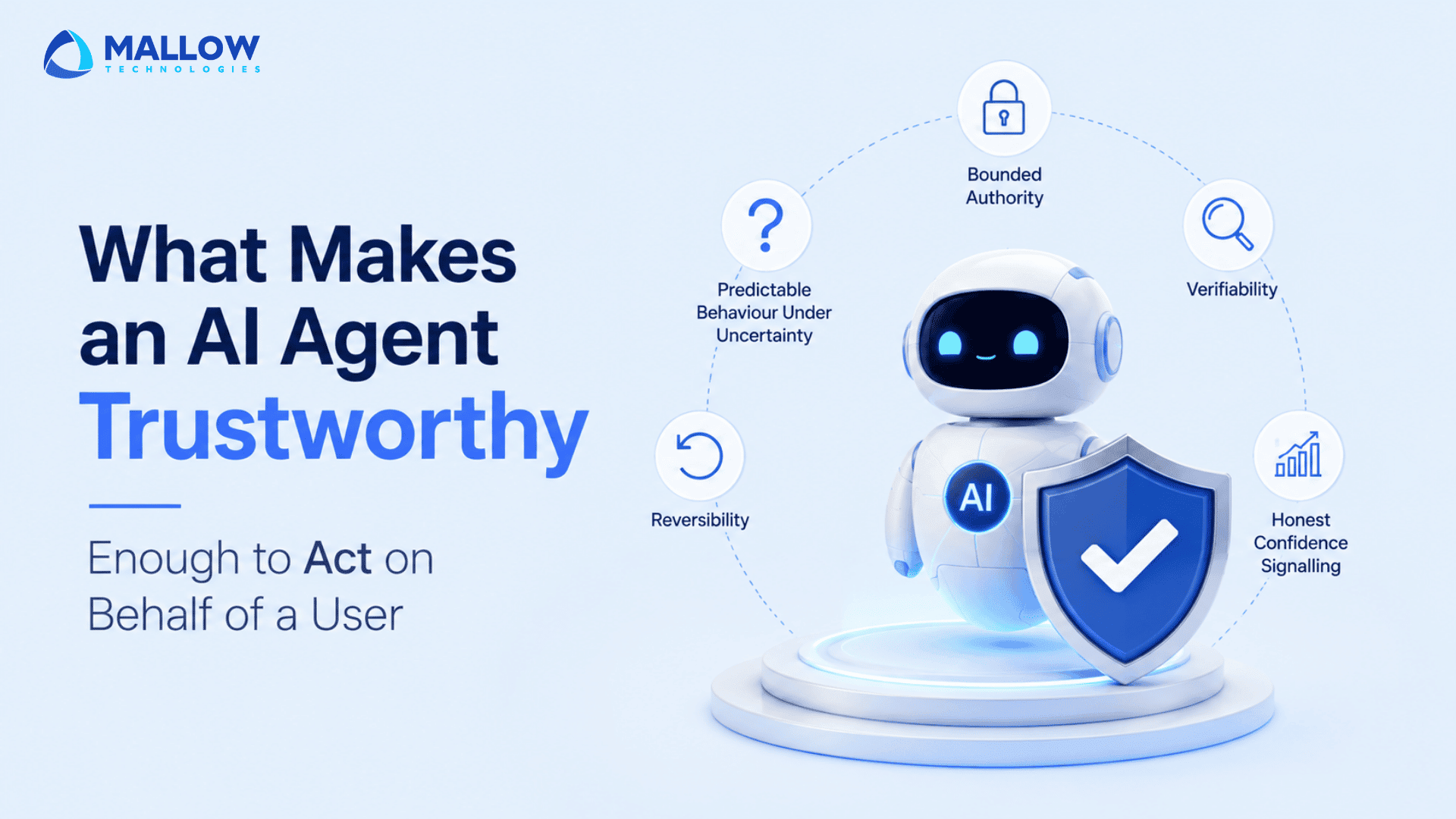
Every product team building an AI agent that takes real action eventually asks the same question – is this agent trustworthy enough to act on a user’s behalf without a human checking every step? The instinct is to answer that question with reassurance. Add a confirmation dialog. Add a disclaimer. Add more hedging language to […]
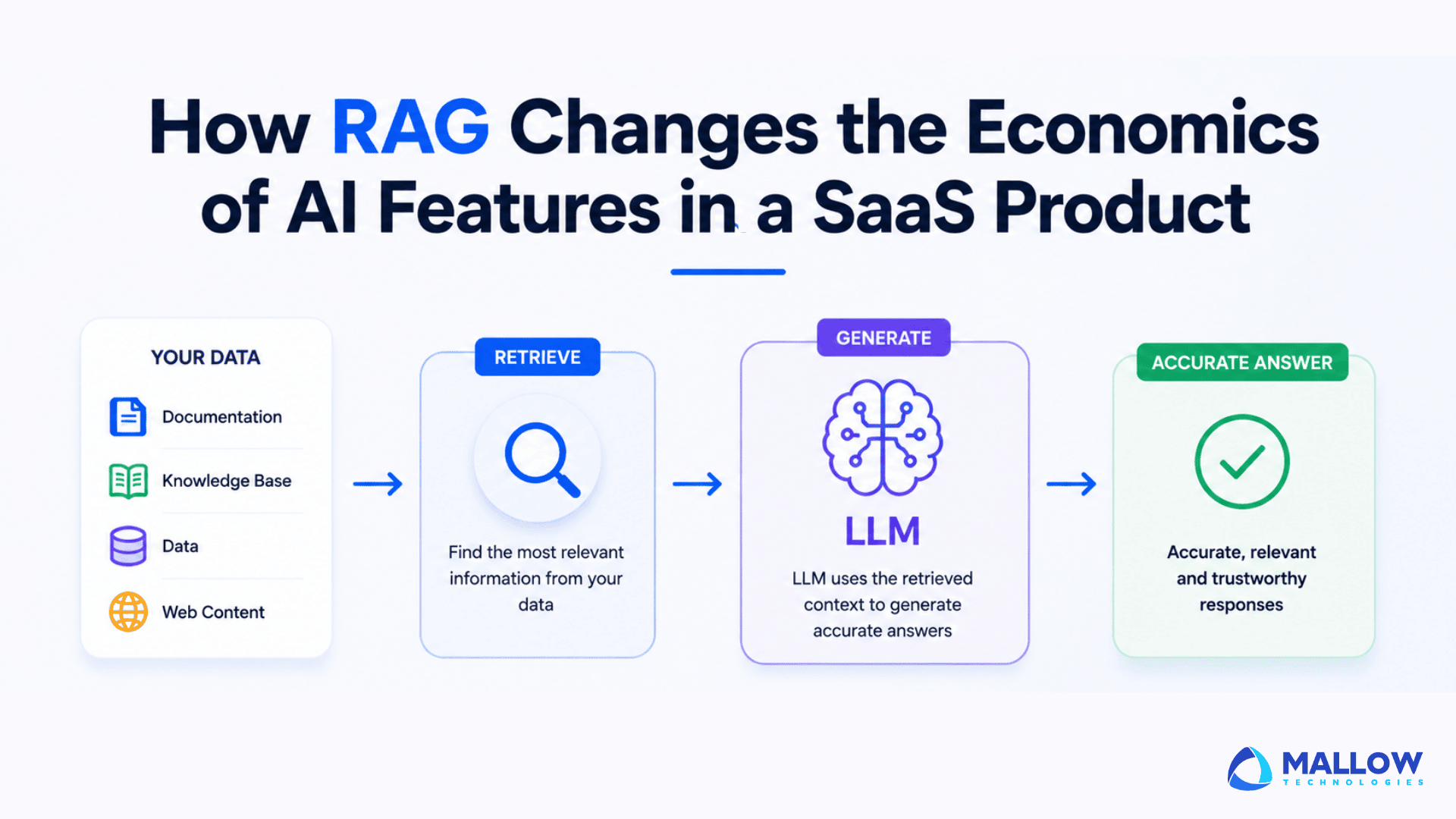
Most SaaS founders who have experimented with AI features hit the same wall. The model is impressive in demos and unreliable in production. It gives generic answers where specific ones are needed. It confidently describes things that are not true about the product. It fails to distinguish between what your product does and what a […]
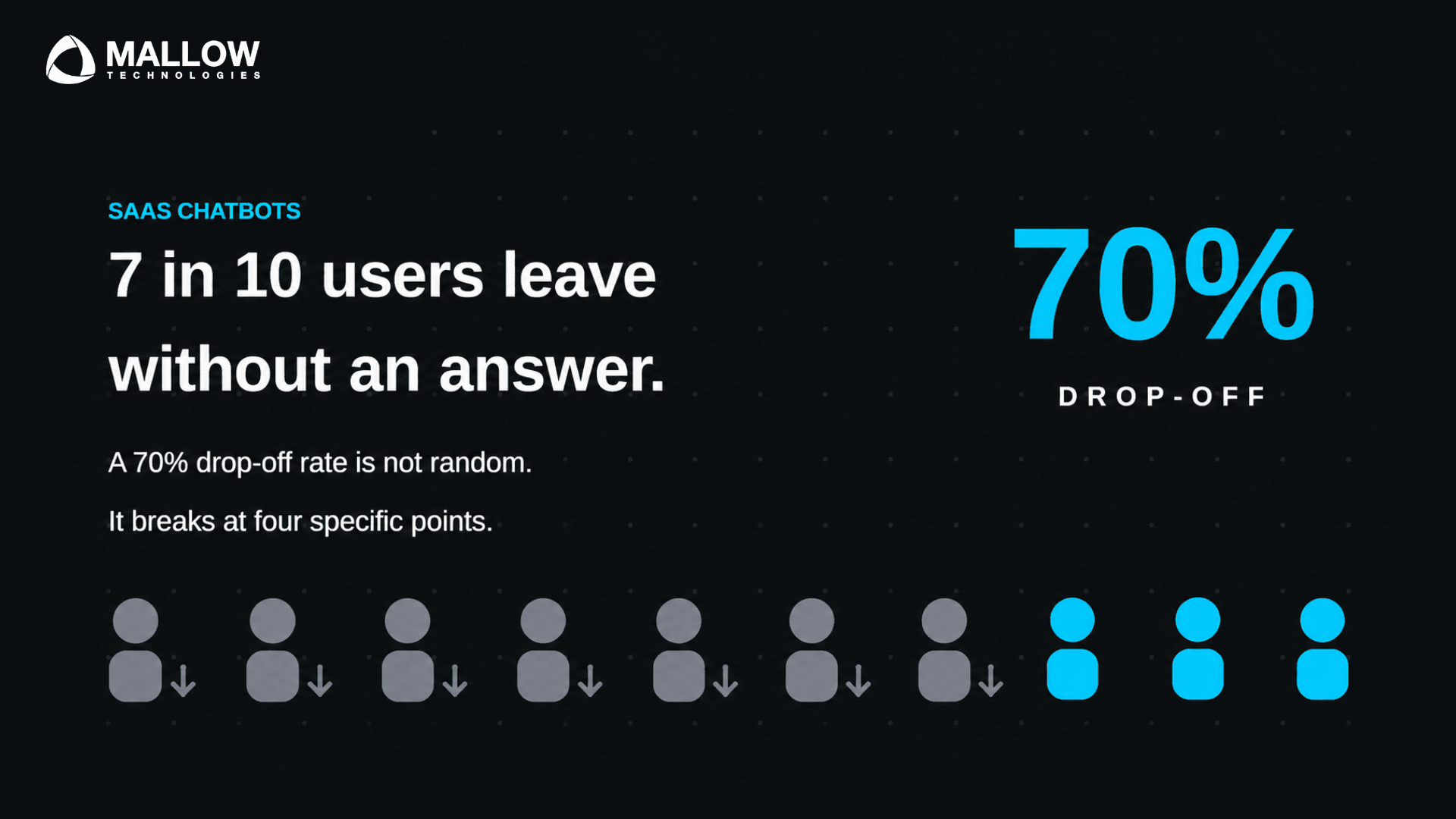
You shipped the chatbot to take pressure off your support team and give users instant answers. The dashboards looked healthy at first. Sessions were happening. Then you looked closer at what those sessions actually contained, and the picture changed. Most people open the chat, type one or two messages, and leave. Seven out of ten […]
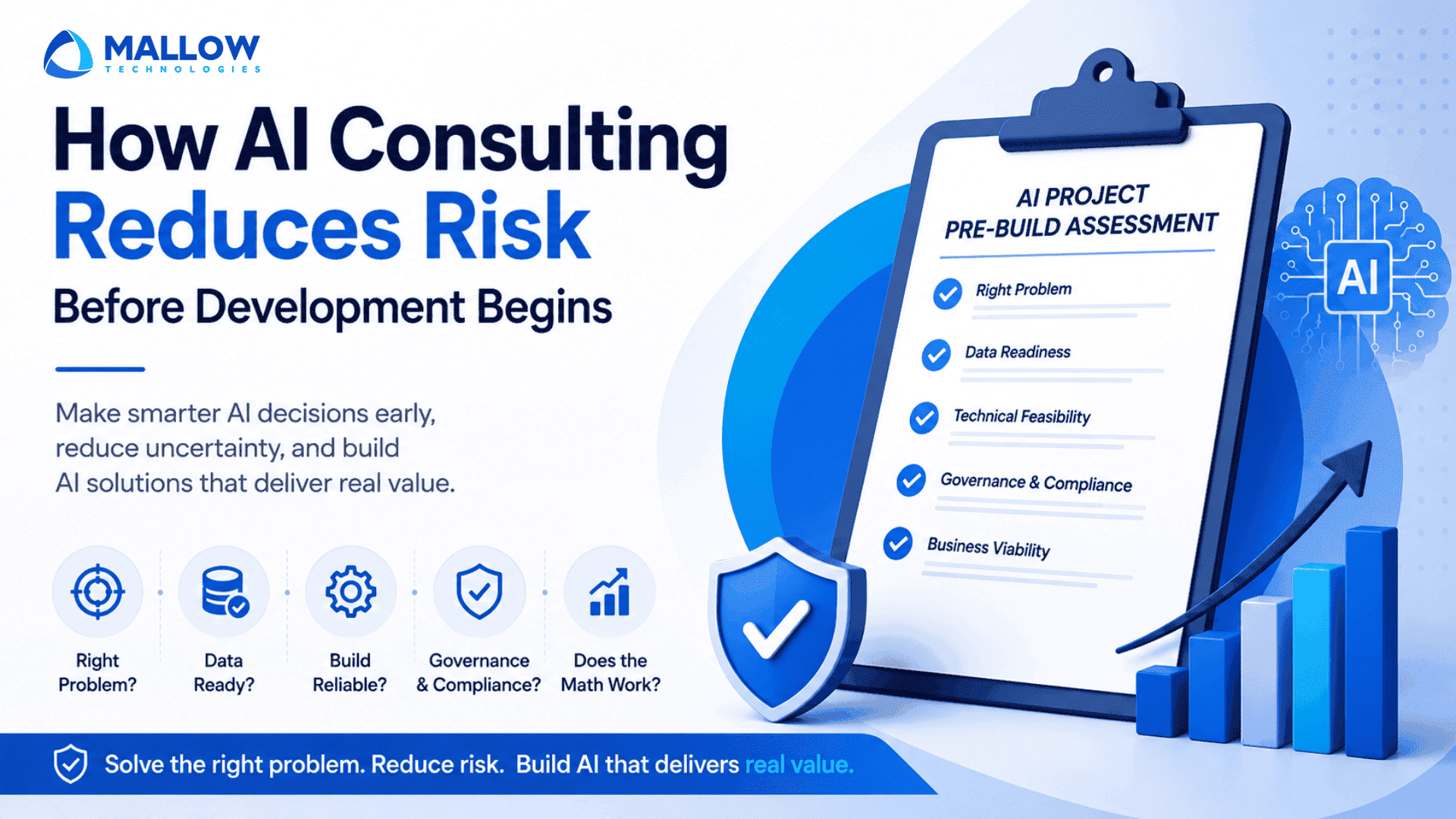
You have the budget approved. The board is excited. Someone on the team has already built a demo over a weekend that looked convincing enough to get everyone nodding. Now the pressure is on to turn that demo into a real feature inside your product, and the quiet worry sitting underneath the excitement is the one […]
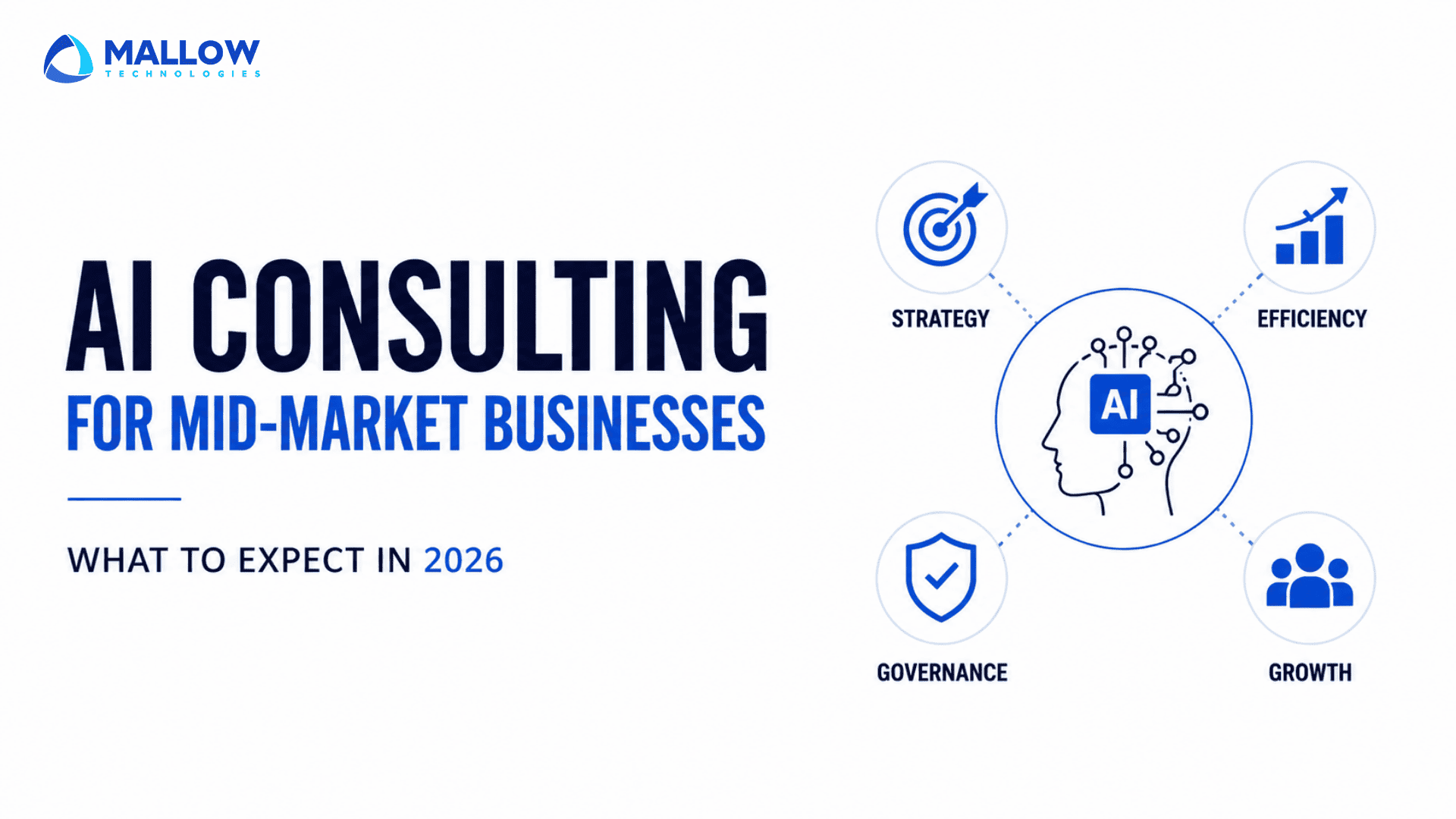
Artificial intelligence has reached a point where most mid-market companies are no longer asking whether they should adopt AI. The real question has become – how do we implement AI without wasting money, disrupting operations, or ending up with another failed technology initiative? That shift explains why AI consulting has become one of the fastest-growing advisory […]
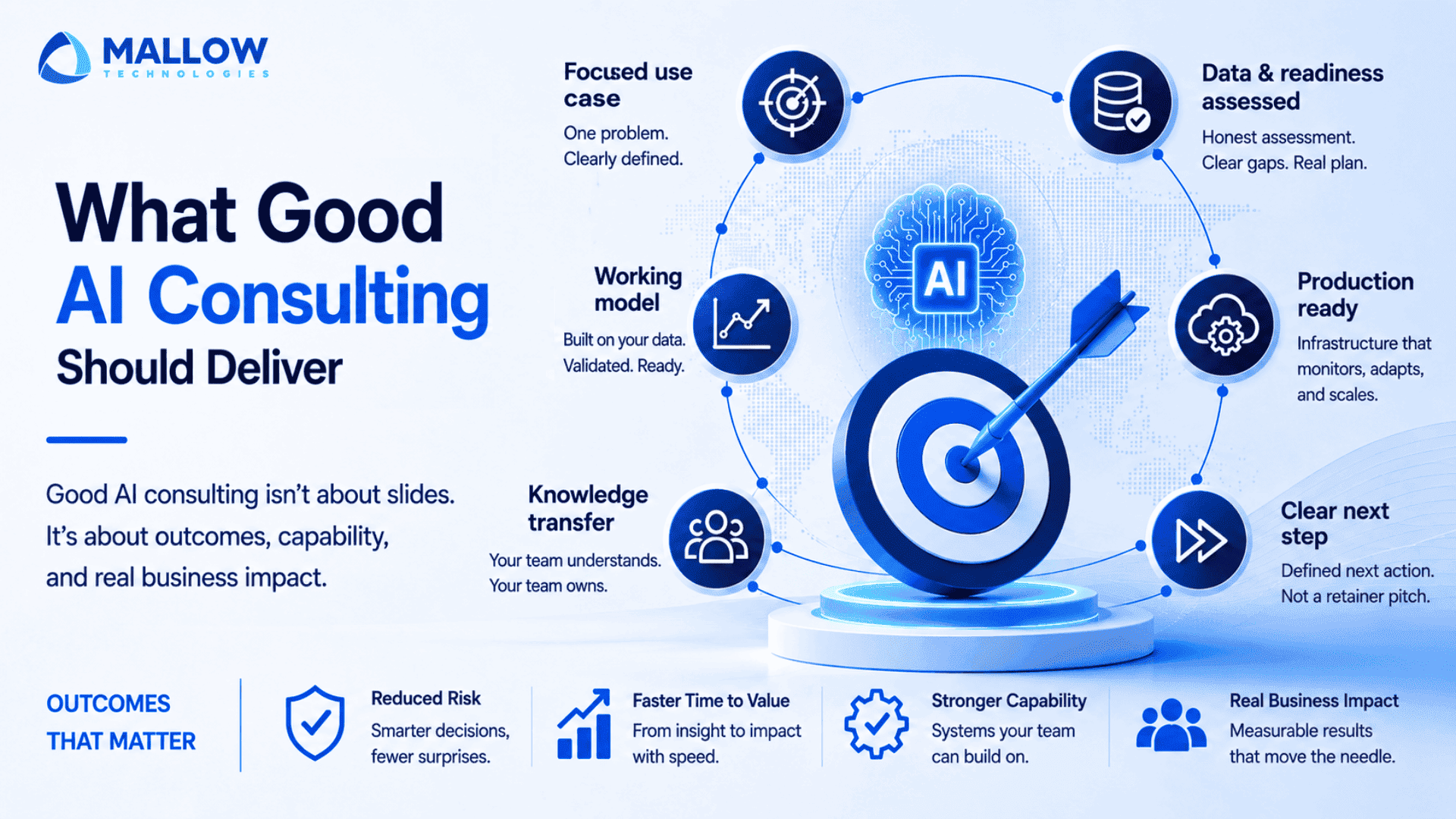
You hired an AI consulting firm. They ran workshops. They interviewed your team. They produced a comprehensive AI strategy presentation with a technology roadmap, a list of recommended vendors, and a prioritised list of use cases. The engagement closed. You have a deck. Six months later, nothing has been built. This is the most common outcome of AI consulting engagements. […]
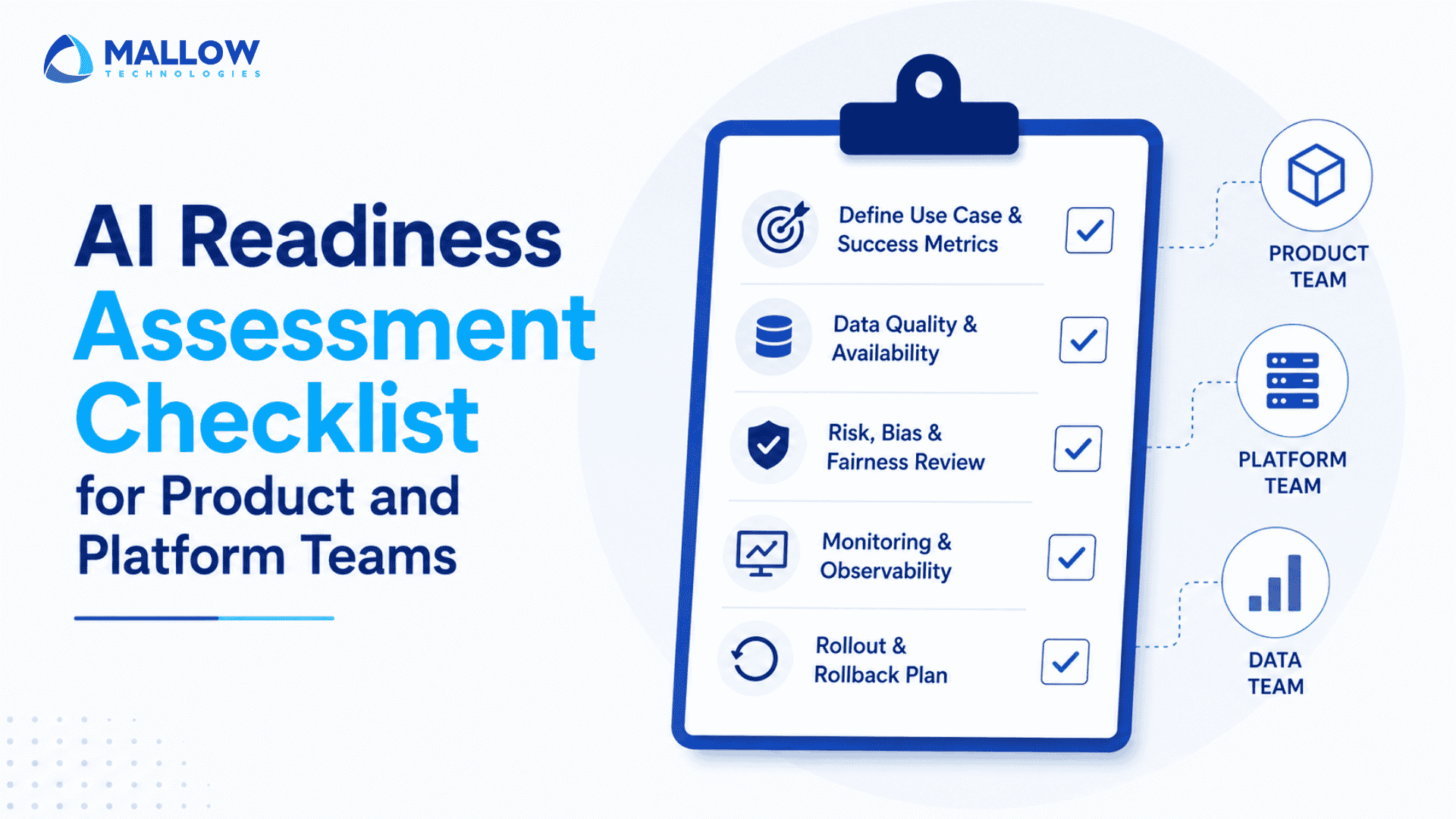
You are two weeks from shipping the AI feature. The model is trained. The endpoint is deployed. The product manager has written the release notes. And then someone asks: “has anyone actually checked whether the rollback plan is documented?” That question, asked two weeks before launch, is manageable. Asked two days after launch when the model starts producing […]
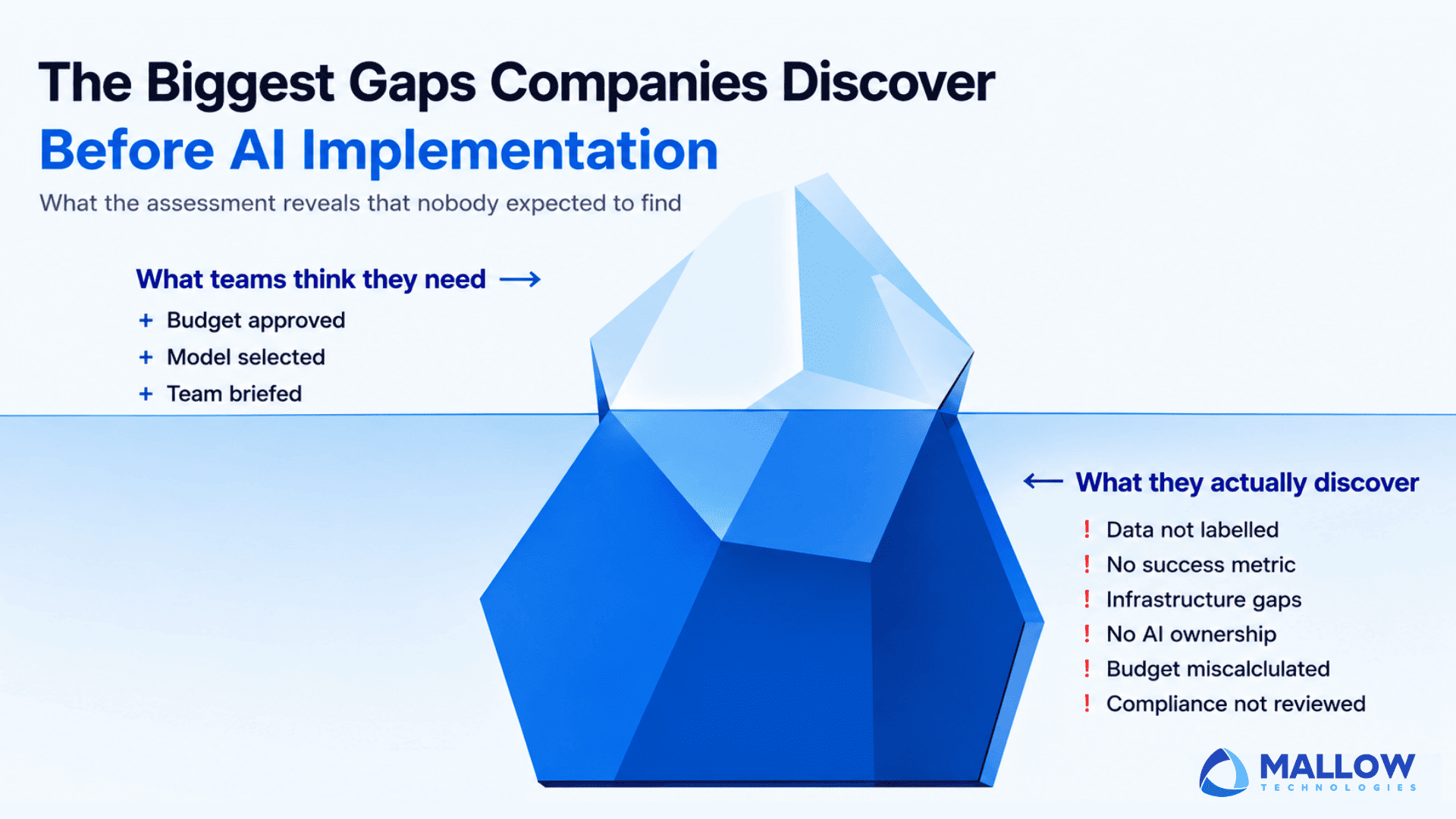
You ran the assessment. You sat down with your team, worked through the questions honestly, and found something you did not expect to find. Maybe it was the data, years of records with no labelling, no outcome signal, nothing a model can learn from. Maybe it was the use case, three people in the room […]
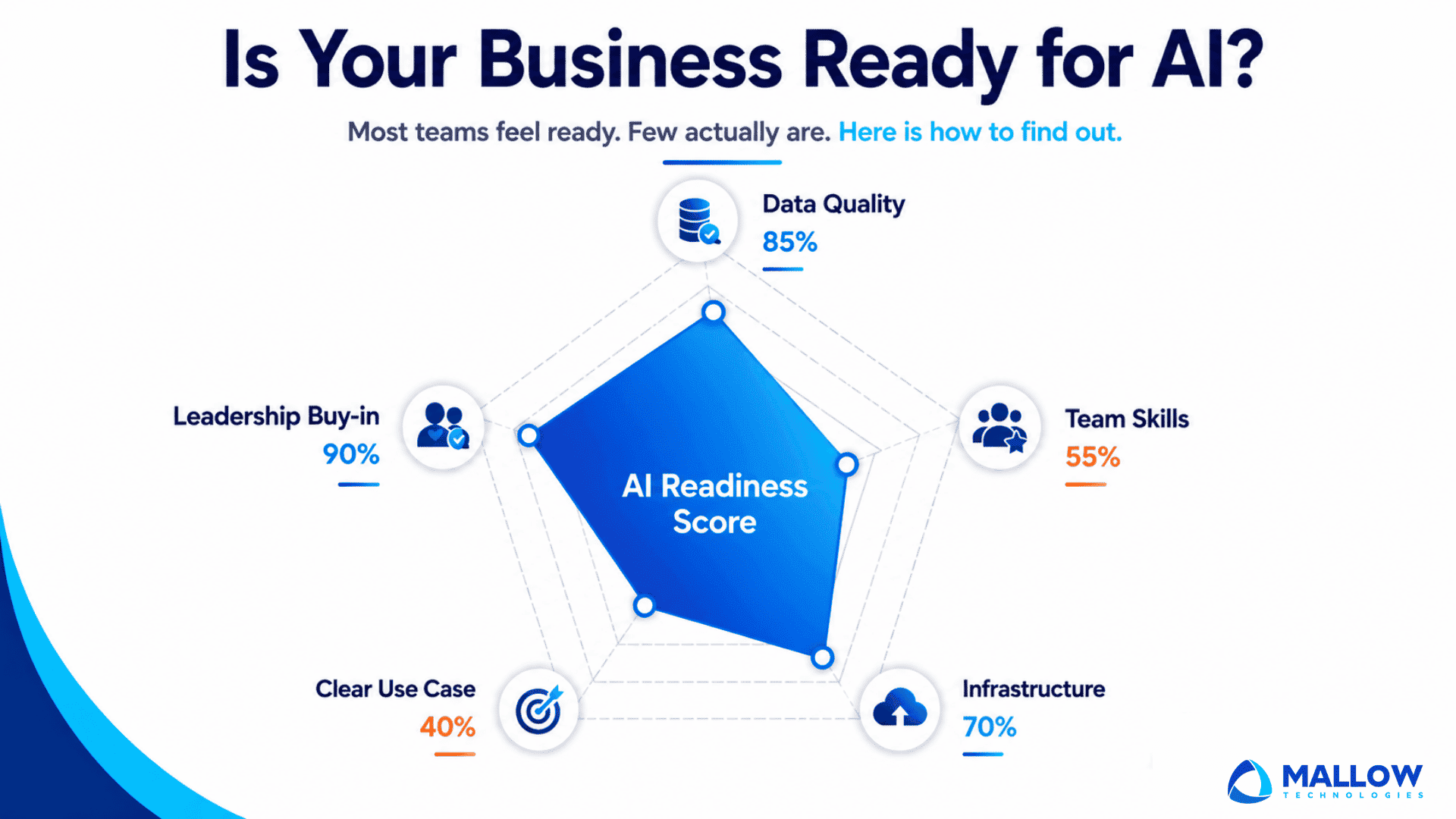
The conversation in your last board meeting probably included the phrase “we need to be doing more with AI.” Your investors are asking about it. Your competitors are announcing it. And somewhere in the middle of all that, you are trying to figure out whether your organisation is actually in a position to build something that works. The honest […]