

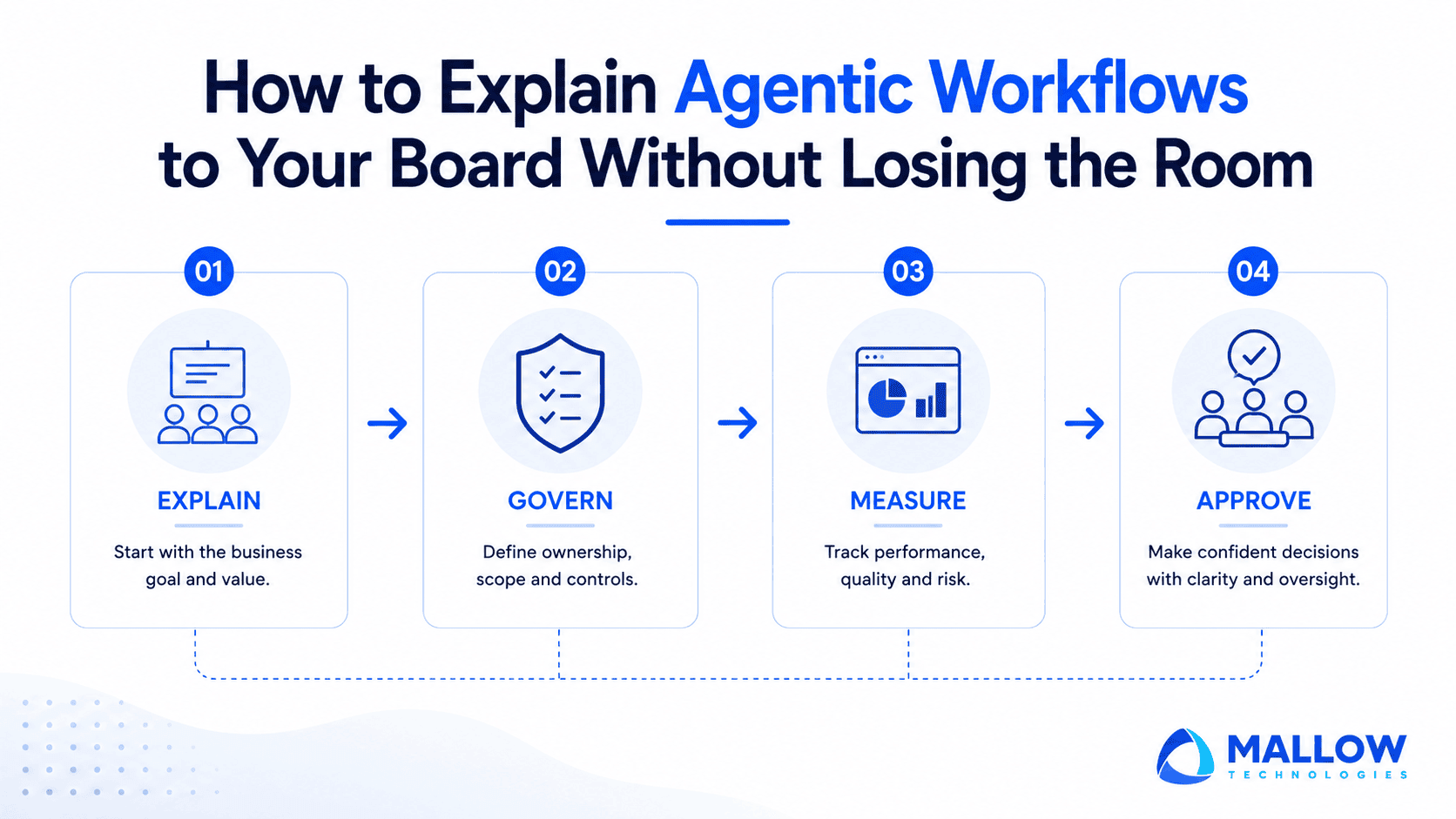
Board meetings that include an agentic AI agenda item tend to produce one of three responses. The board gets excited and approves everything without asking the questions they should. The board gets worried and starts asking for controls that the team is not yet positioned to implement, which stalls the project. Or the board delegates […]
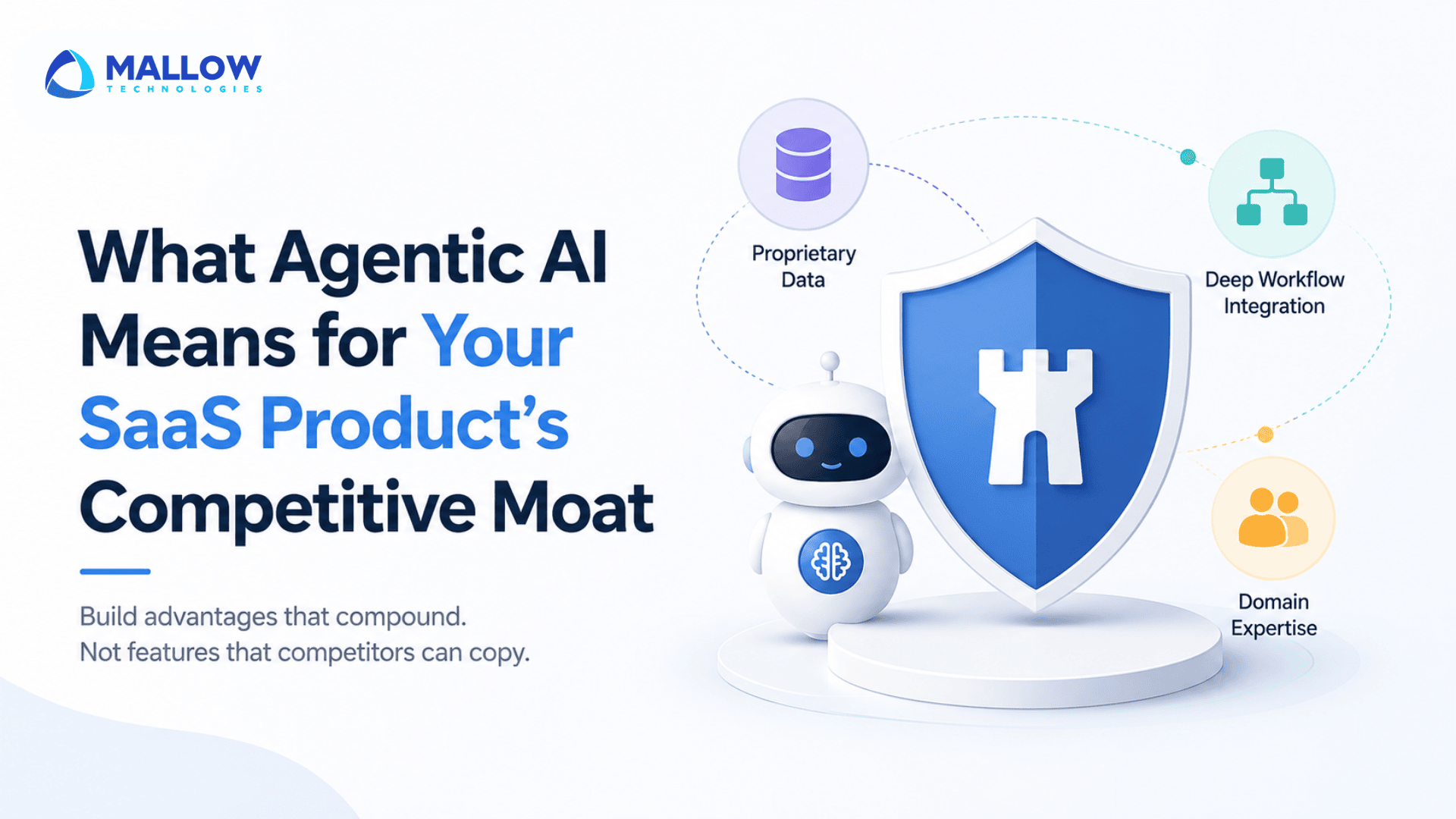
The question most SaaS founders ask about agentic AI is – “what can I build with it?” The question that matters more for competitive strategy is – “what does it do to what I have already built?” Agentic AI does not create a competitive moat. It reveals whether you already have one. For some products, […]
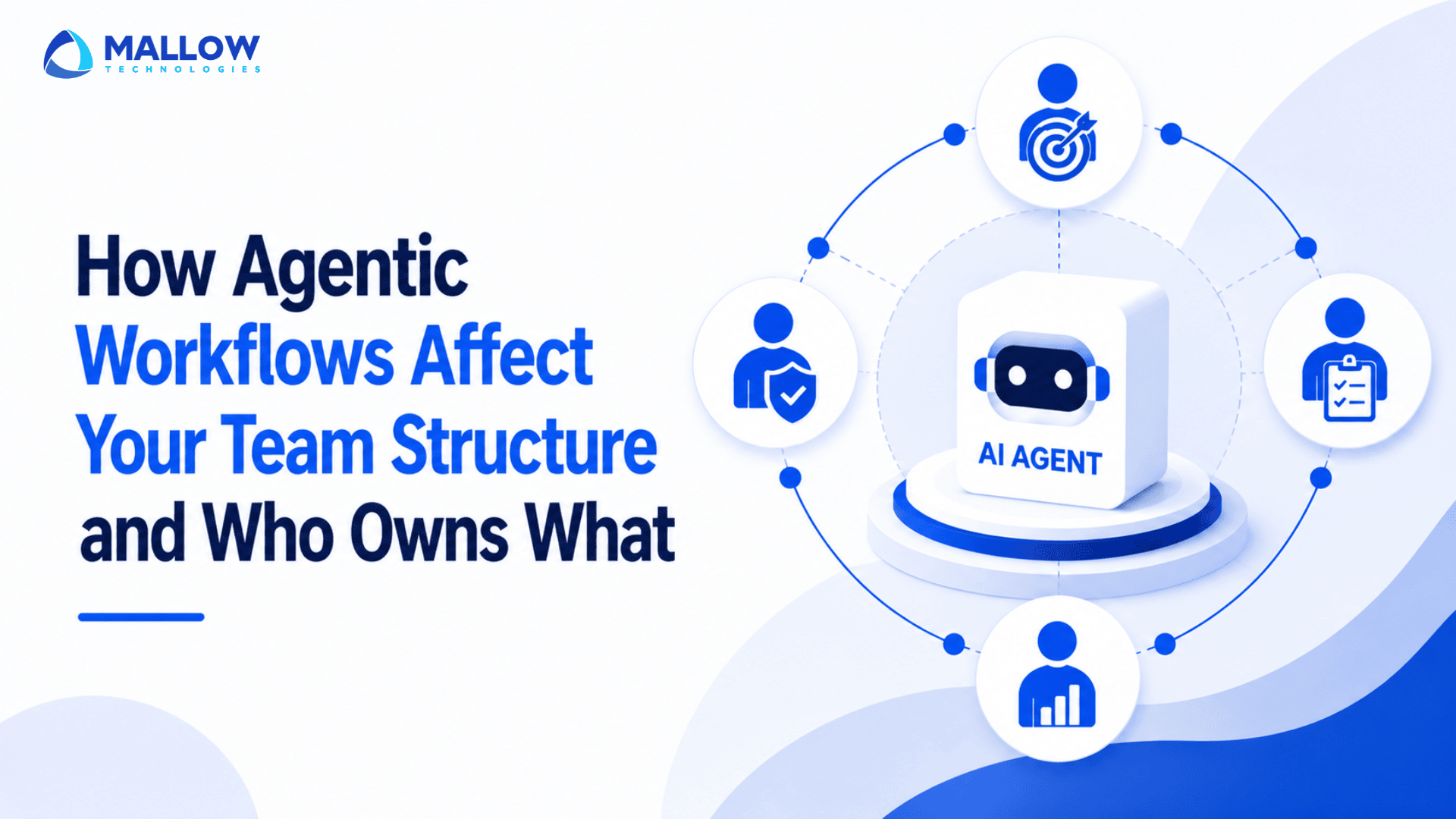
The support agent has been live for six weeks. It is resolving 40% of Tier 1 tickets without human involvement. Then one week it starts closing tickets that should have been escalated. The escalation pattern has changed. A product update shifted some of the decision logic the agent was operating on, and nobody caught it […]
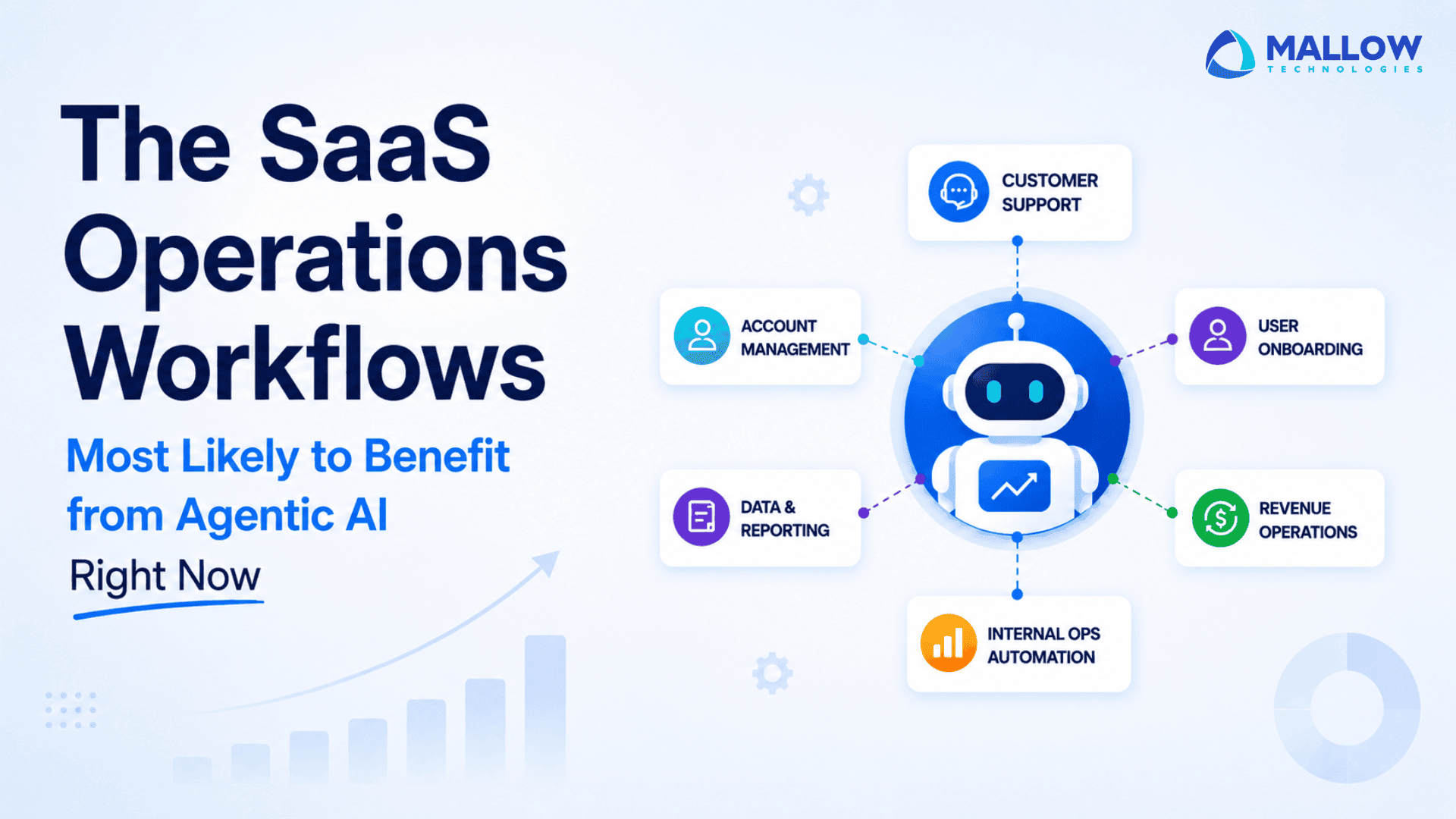
The adoption curve for agentic AI in SaaS is moving faster than most teams expected and producing less value than most demos implied. According to McKinsey’s State of AI 2025 survey of nearly 2,000 organisations, 88% of companies now use AI in at least one business function, and 62% are at least experimenting with AI […]
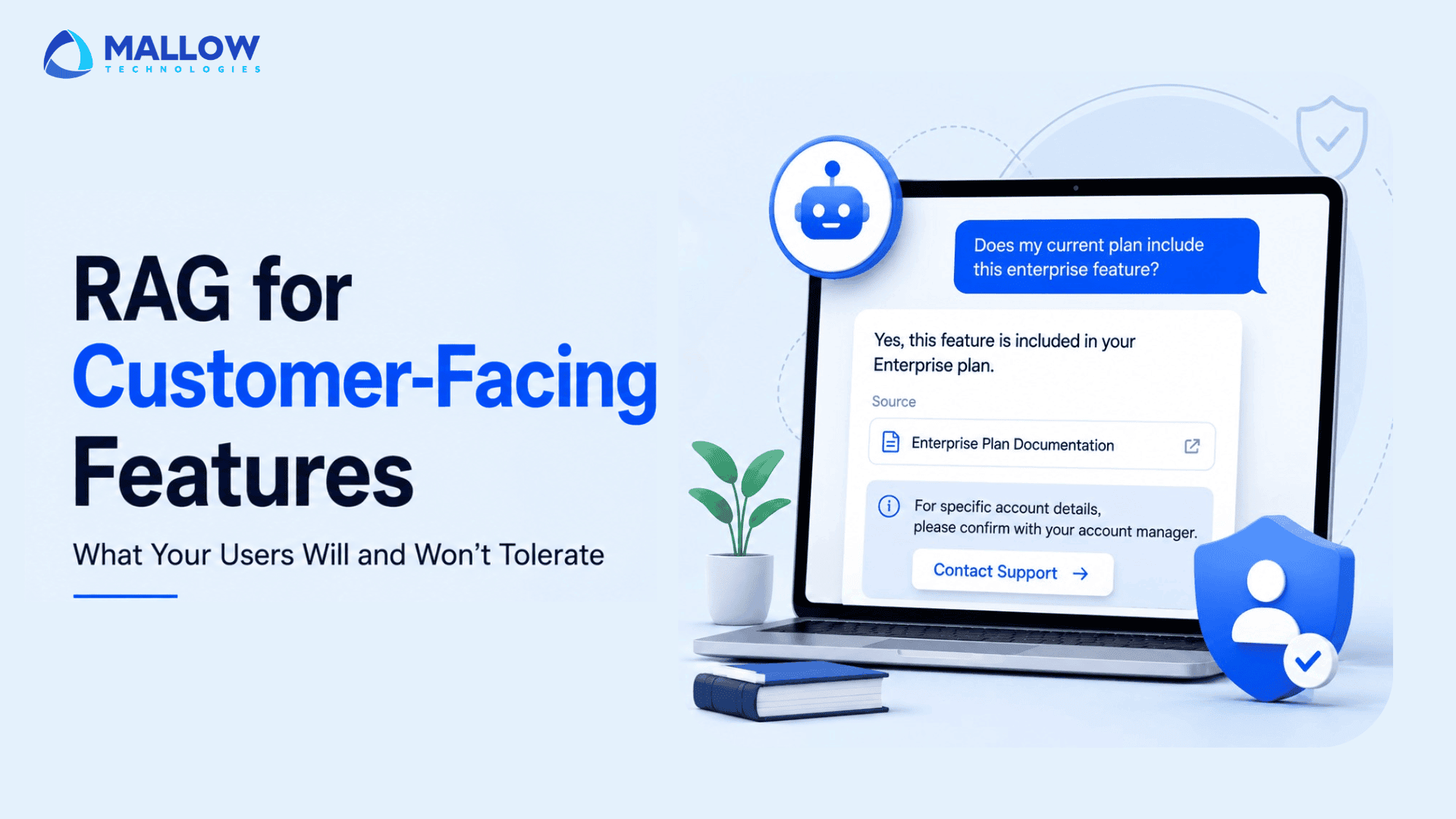
The internal RAG demo always looks impressive. The team asks questions. The system retrieves the right documents. The answers are clear, well-structured, and grounded in actual product content. Someone says “we’re ready to ship.” Then the first real users arrive. Real users do not ask the questions you rehearsed. They do not know what the […]
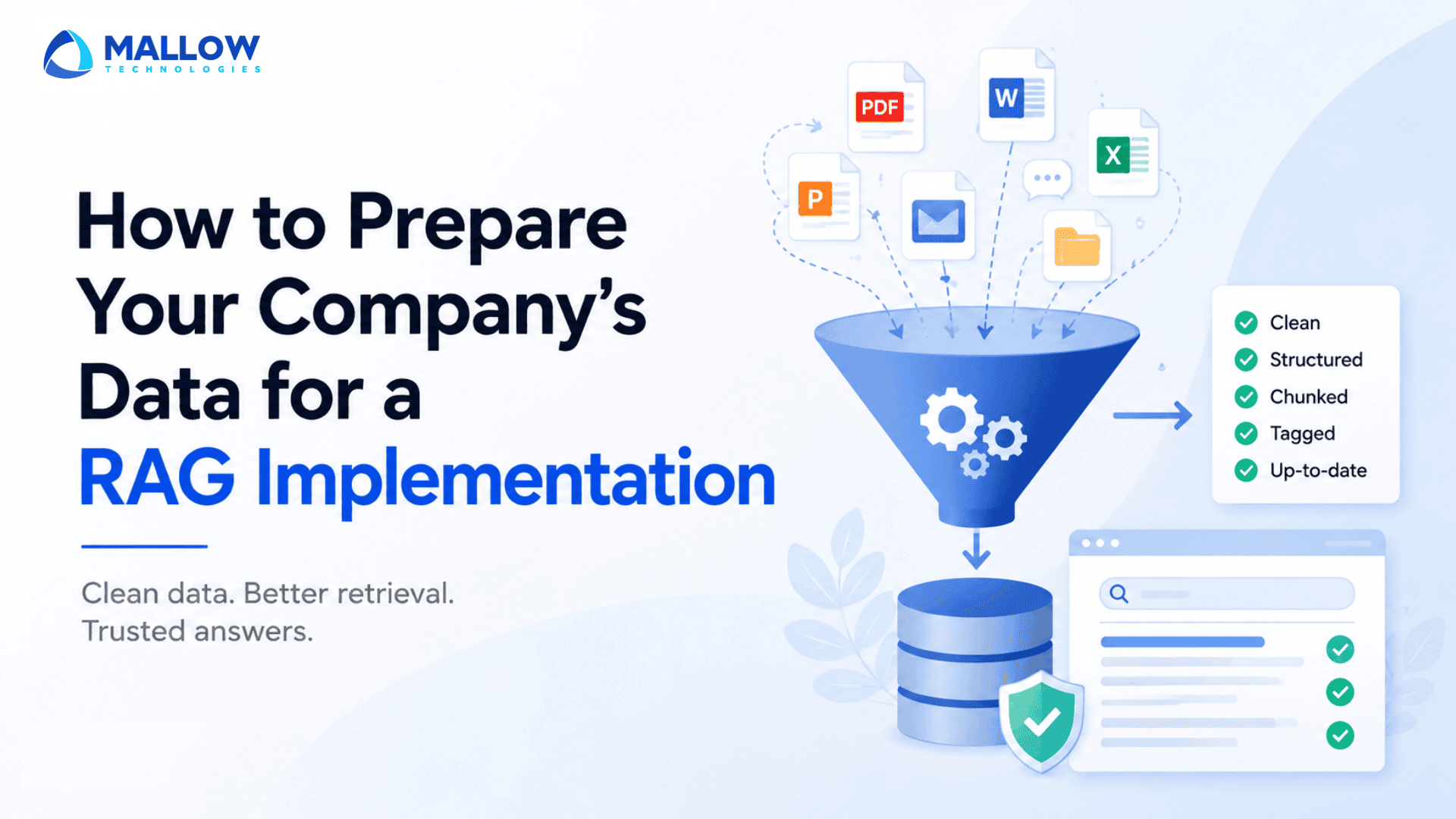
Most teams start a RAG project by evaluating vector databases. They compare embedding models, read benchmarks, set up a LangChain prototype, and have something running against a handful of test documents within a week. That week goes well. The problems arrive three months later, after the index has grown to thousands of documents, after real […]
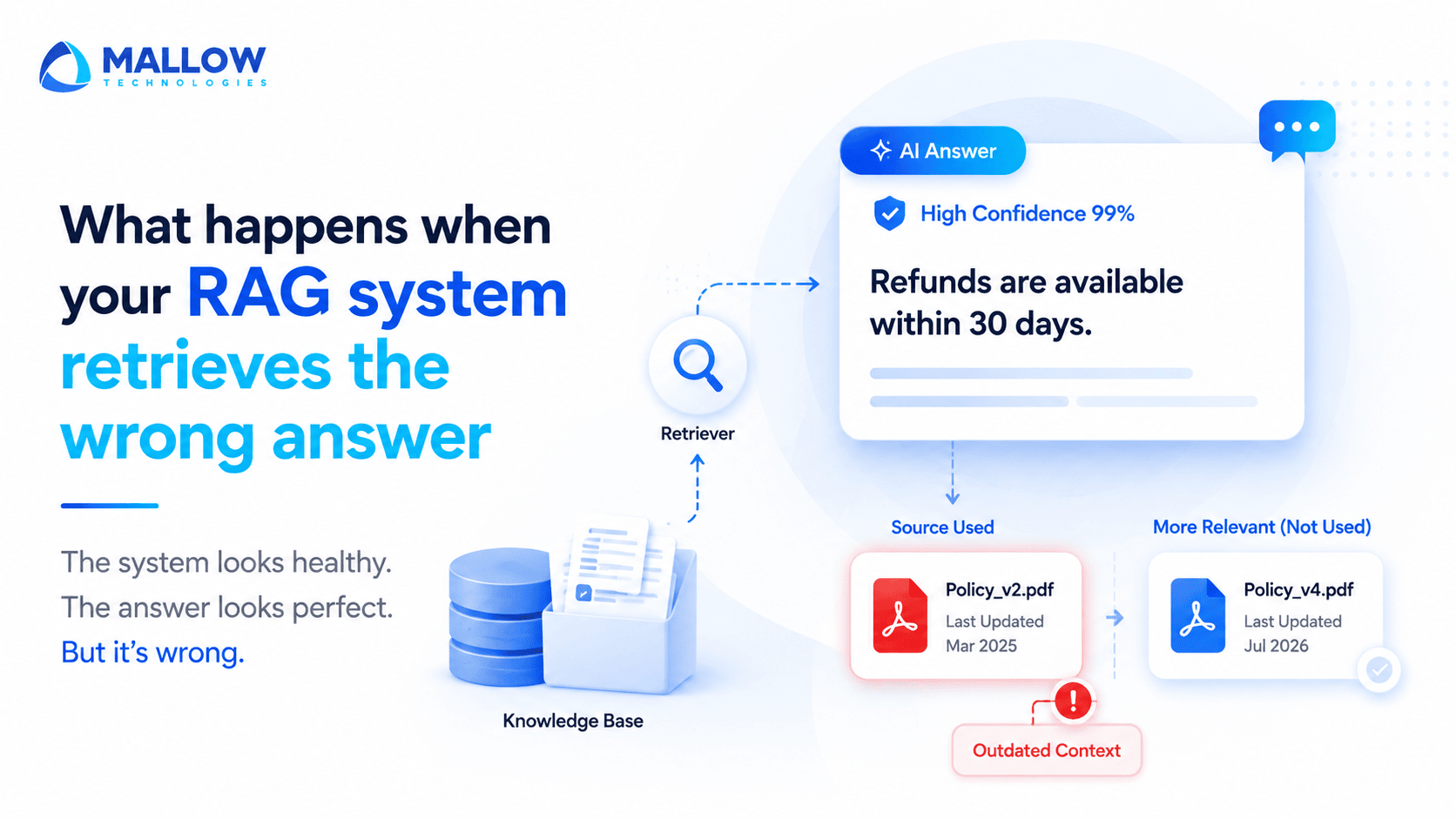
There is a version of RAG failure that nobody in the team notices in time. The system doesn’t crash. The latency looks fine. The monitoring dashboards stay green. A user asks a question. The retriever pulls something that looks relevant. The model produces a clean, well-structured answer in the product’s tone. The answer is wrong. […]
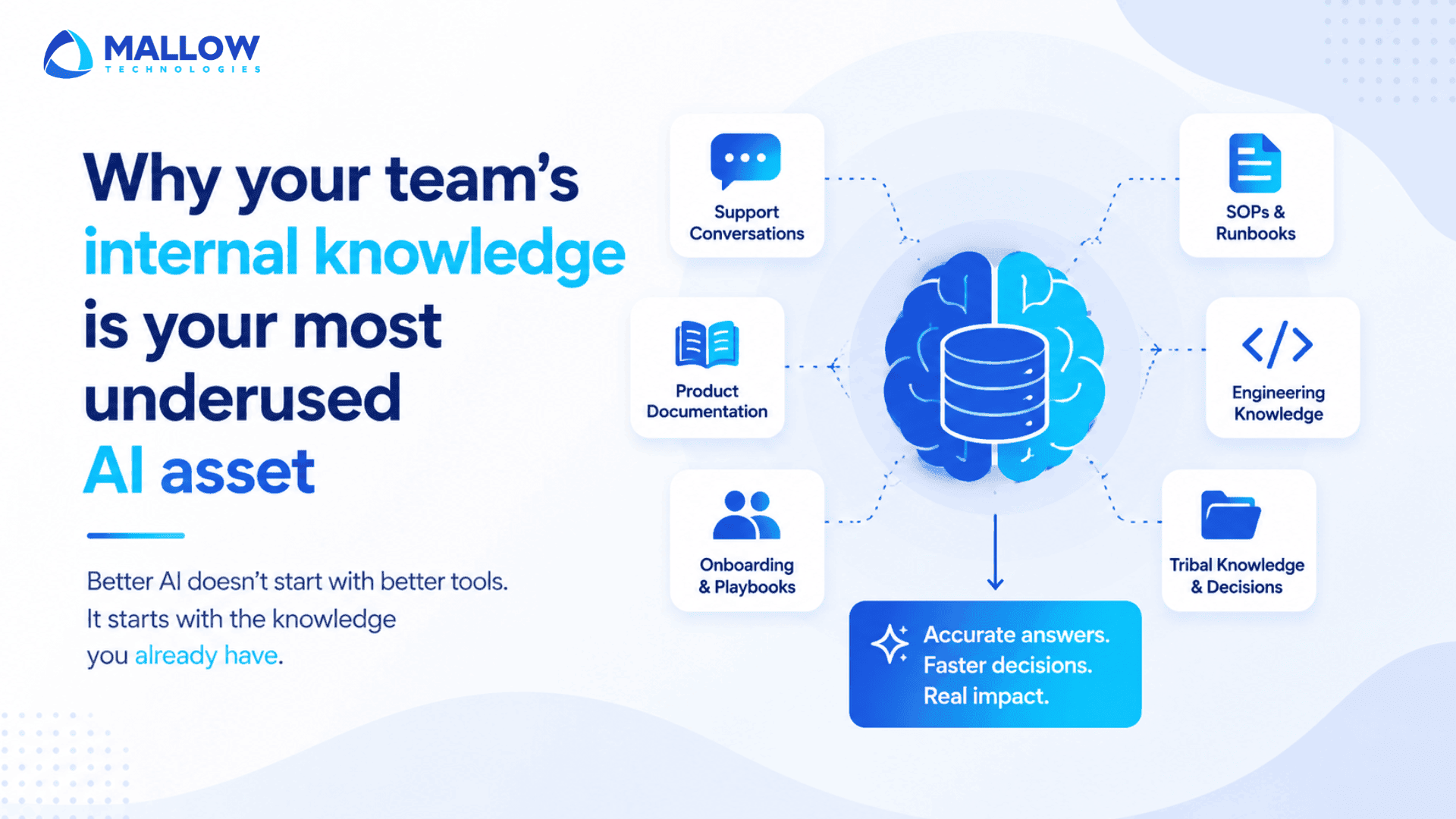
Most teams evaluating AI right now are looking at the same shortlist – which model to use, which vendor to talk to, which feature to build first. It’s a reasonable starting point, and it’s also the wrong one. The conversation about AI capability tends to dominate the room because it’s visible and easy to compare. […]
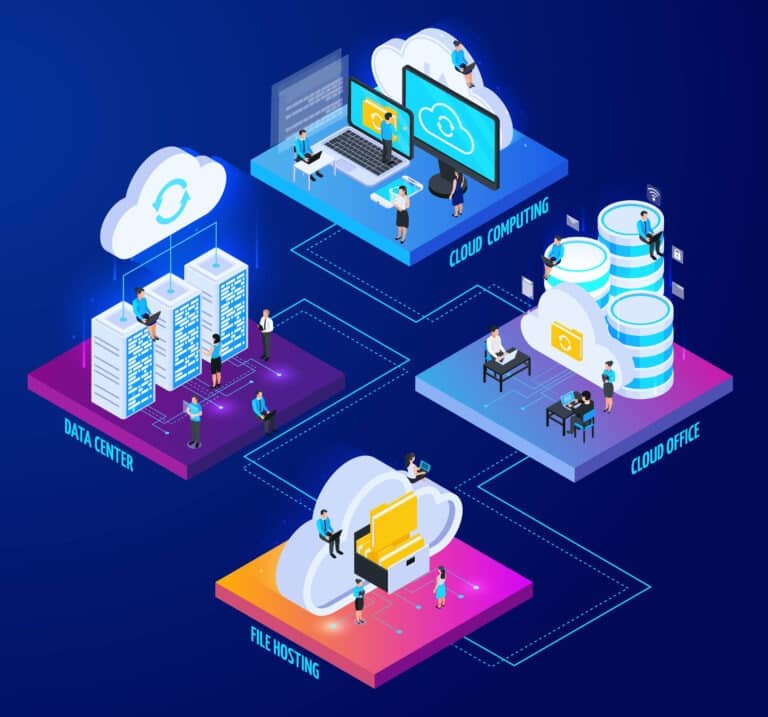
Are you still stuck in the traditional world of web hosting, unaware of the myriad of cloud-based options available to you? If so, you might be grappling with several pain points like limited scalability, higher costs, security concerns, and lack of flexibility that could be easily alleviated with modern cloud hosting solutions. It can be […]
A board update goes out. Two sentences near the bottom mention you’re adding AI agents to the product. Six months ago that line would have gotten a thumbs up and nothing else. Today it gets a follow-up question, sometimes several. What does the agent actually do. What happens when it’s wrong. Is this something you […]