

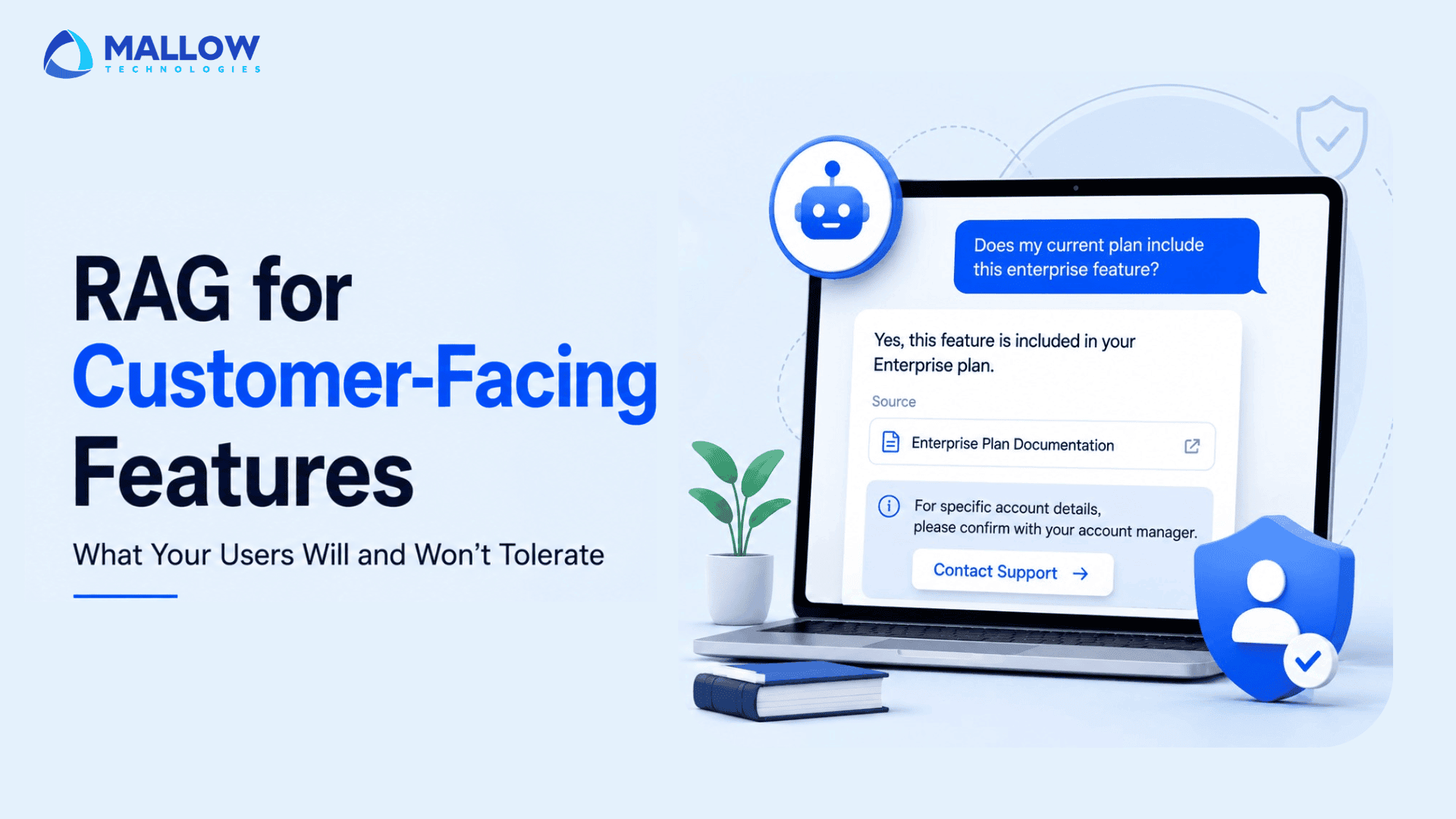
The internal RAG demo always looks impressive. The team asks questions. The system retrieves the right documents. The answers are clear, well-structured, and grounded in actual product content. Someone says “we’re ready to ship.” Then the first real users arrive. Real users do not ask the questions you rehearsed. They do not know what the […]
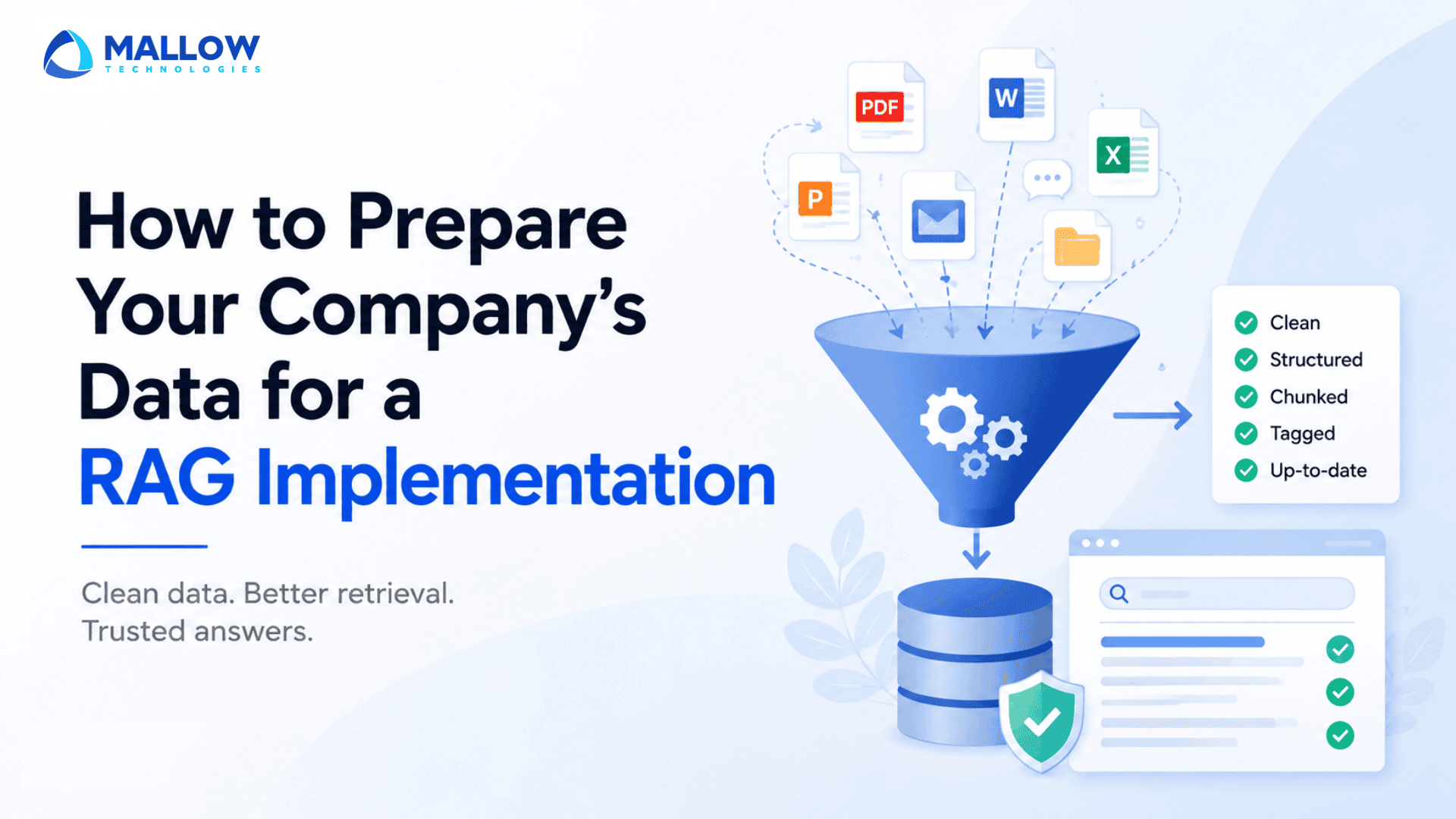
Most teams start a RAG project by evaluating vector databases. They compare embedding models, read benchmarks, set up a LangChain prototype, and have something running against a handful of test documents within a week. That week goes well. The problems arrive three months later, after the index has grown to thousands of documents, after real […]
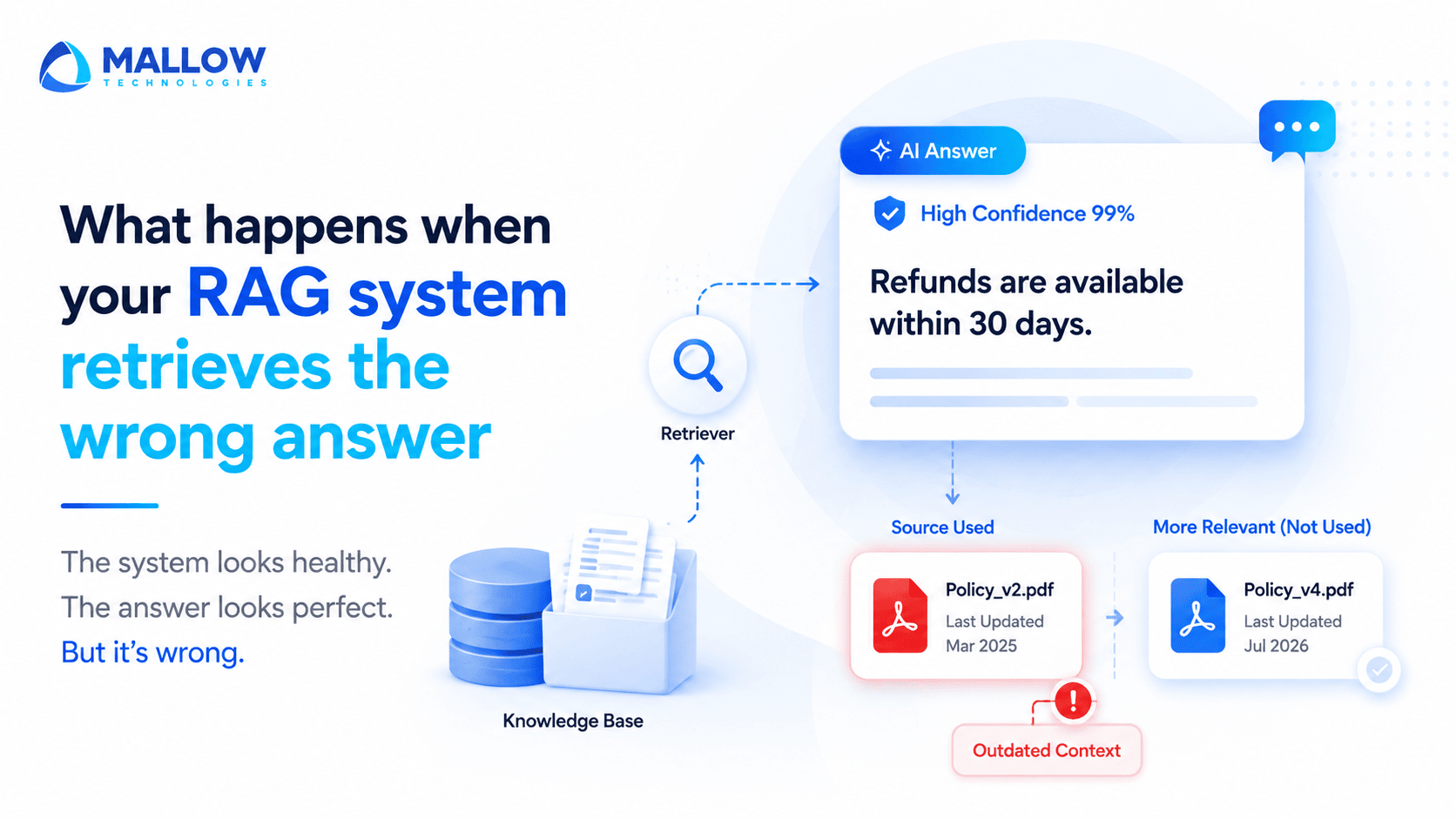
There is a version of RAG failure that nobody in the team notices in time. The system doesn’t crash. The latency looks fine. The monitoring dashboards stay green. A user asks a question. The retriever pulls something that looks relevant. The model produces a clean, well-structured answer in the product’s tone. The answer is wrong. […]
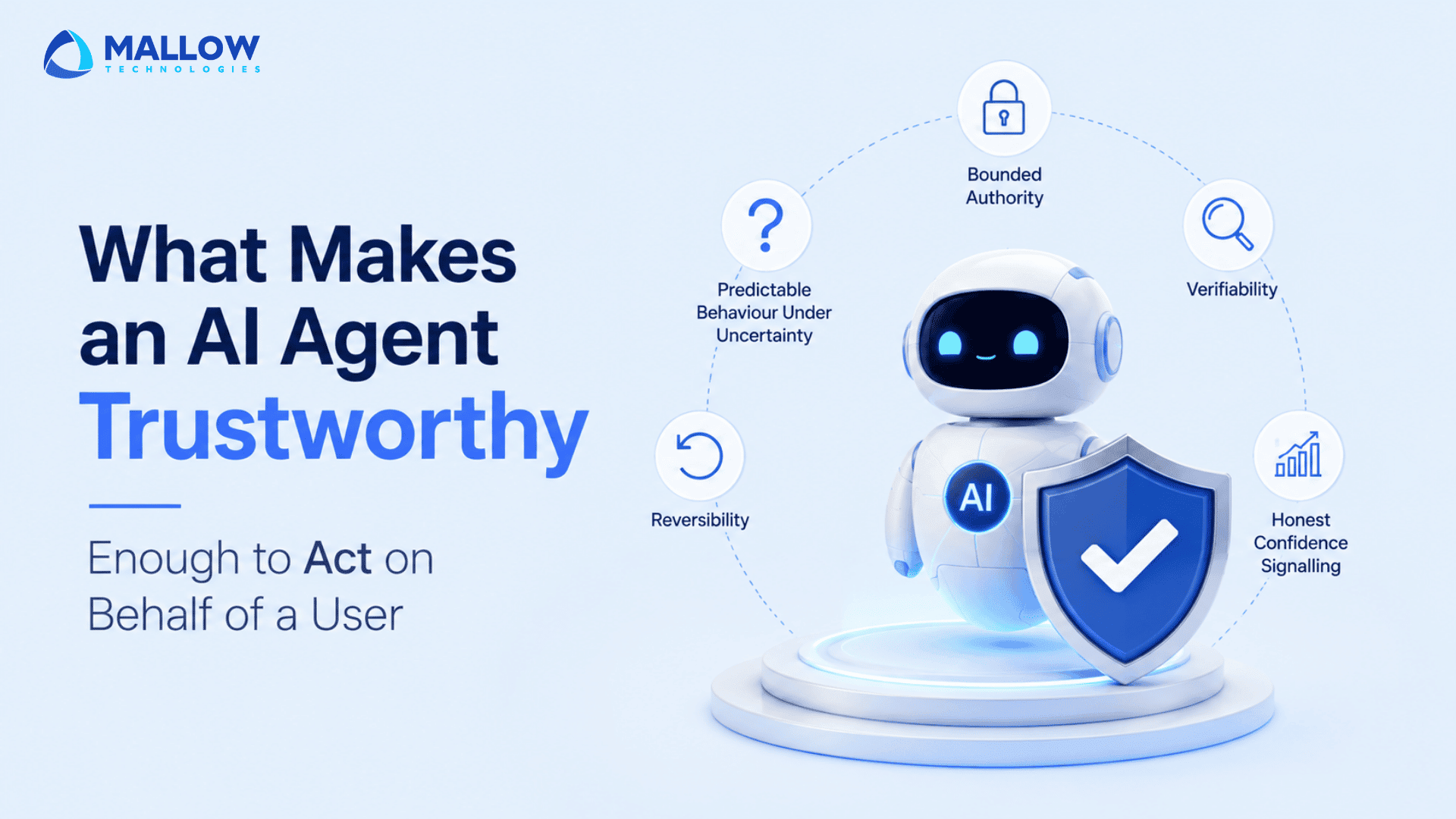
Every product team building an AI agent that takes real action eventually asks the same question – is this agent trustworthy enough to act on a user’s behalf without a human checking every step? The instinct is to answer that question with reassurance. Add a confirmation dialog. Add a disclaimer. Add more hedging language to […]
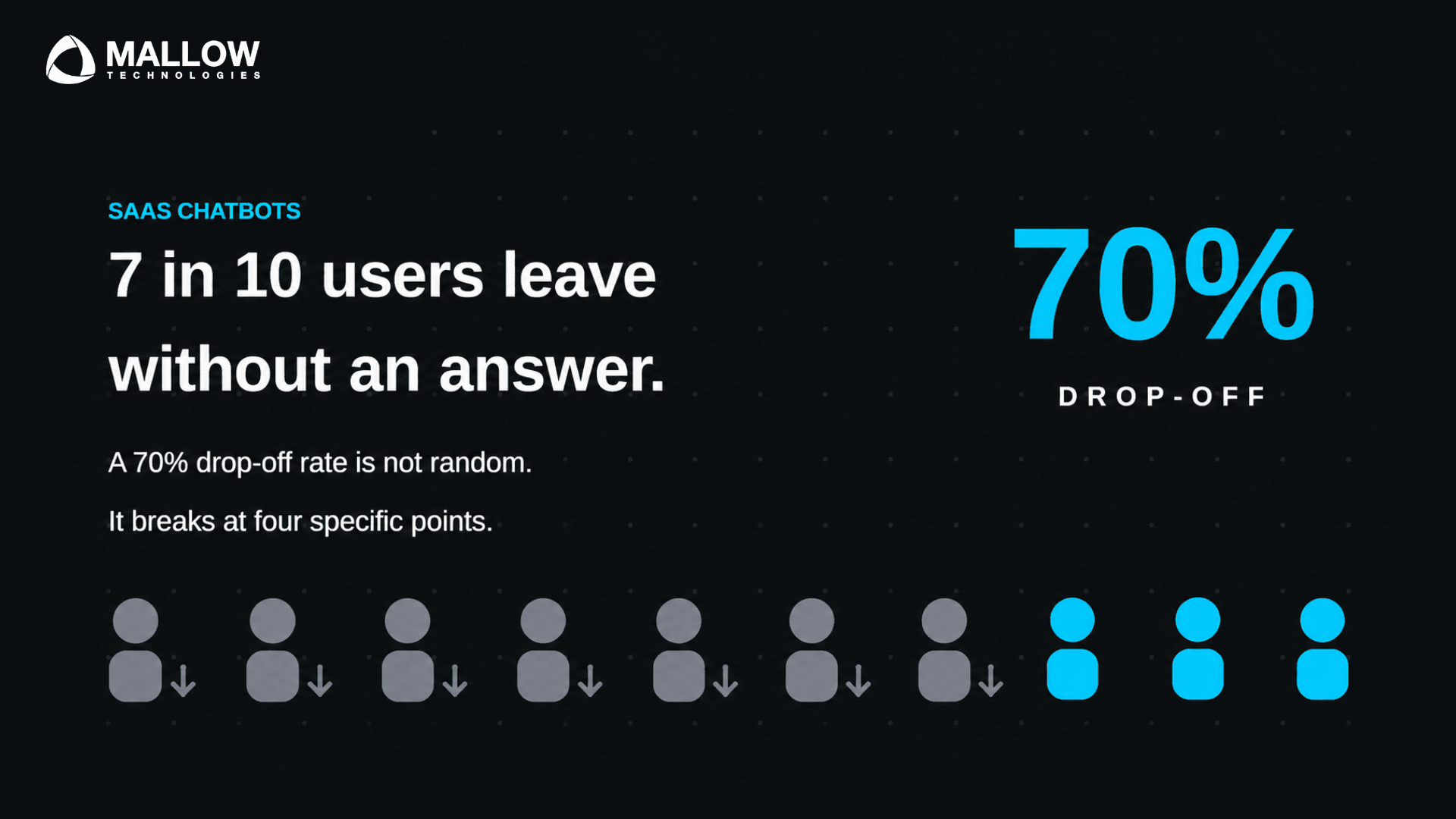
You shipped the chatbot to take pressure off your support team and give users instant answers. The dashboards looked healthy at first. Sessions were happening. Then you looked closer at what those sessions actually contained, and the picture changed. Most people open the chat, type one or two messages, and leave. Seven out of ten […]
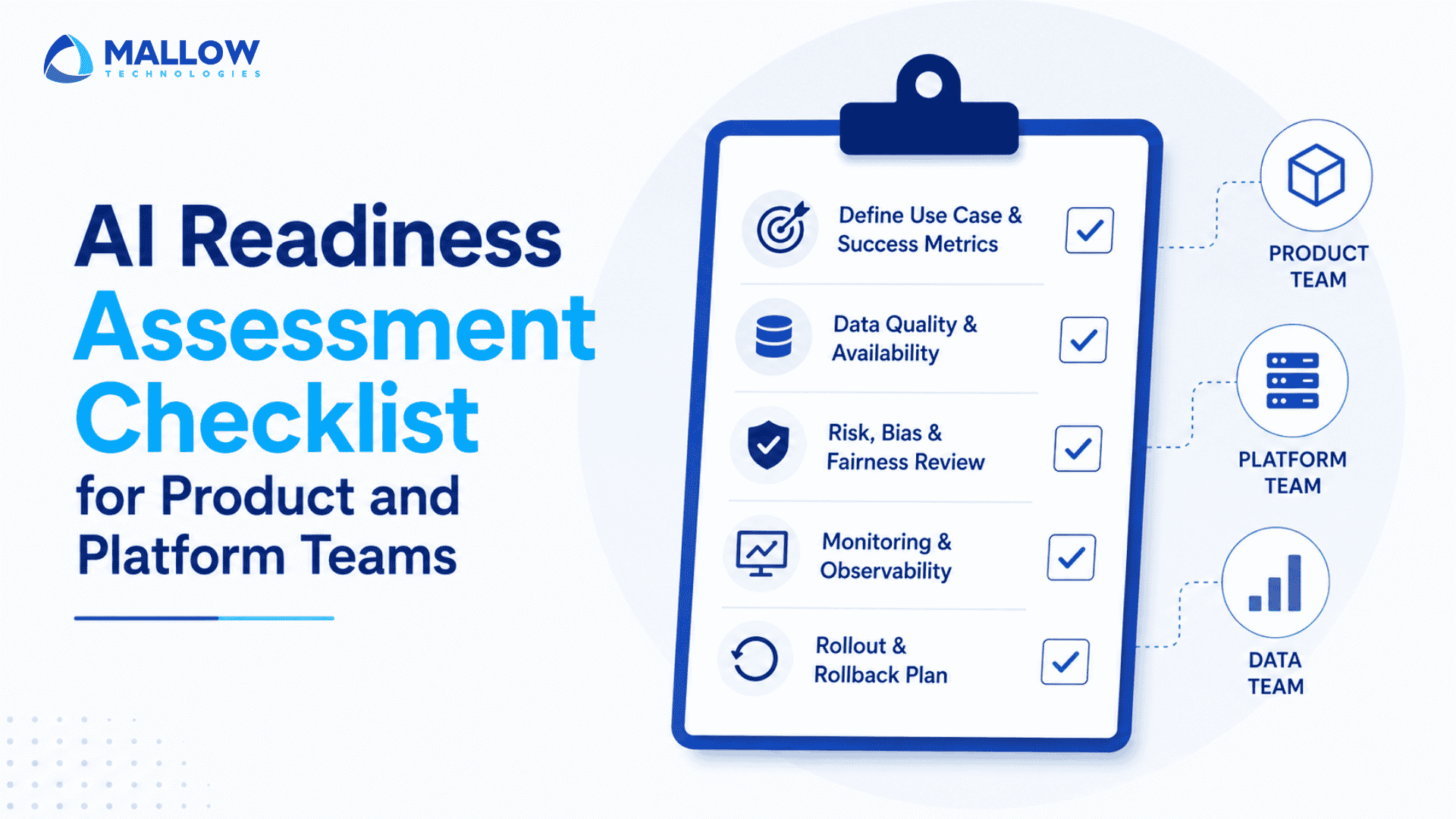
You are two weeks from shipping the AI feature. The model is trained. The endpoint is deployed. The product manager has written the release notes. And then someone asks: “has anyone actually checked whether the rollback plan is documented?” That question, asked two weeks before launch, is manageable. Asked two days after launch when the model starts producing […]
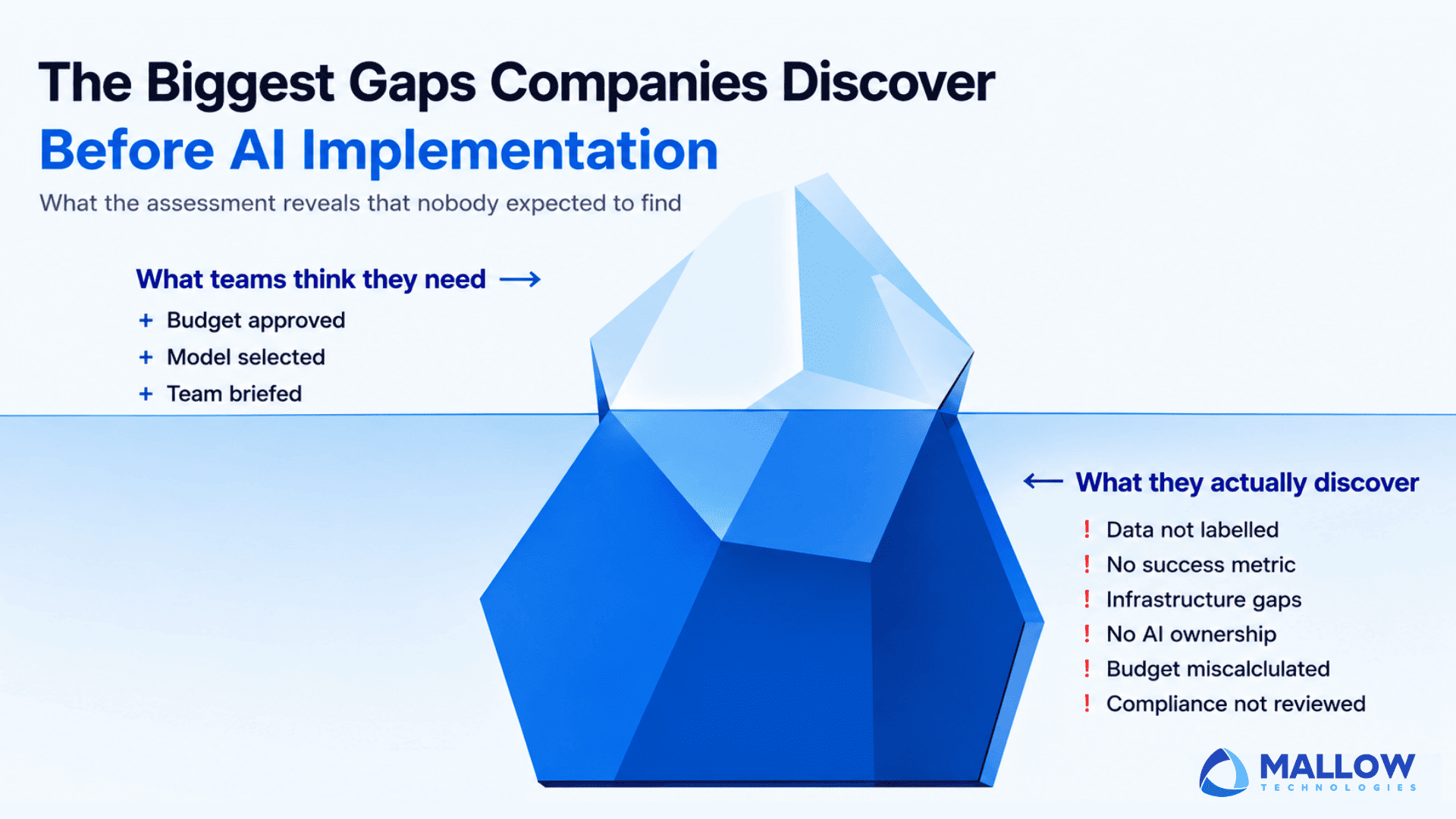
You ran the assessment. You sat down with your team, worked through the questions honestly, and found something you did not expect to find. Maybe it was the data, years of records with no labelling, no outcome signal, nothing a model can learn from. Maybe it was the use case, three people in the room […]
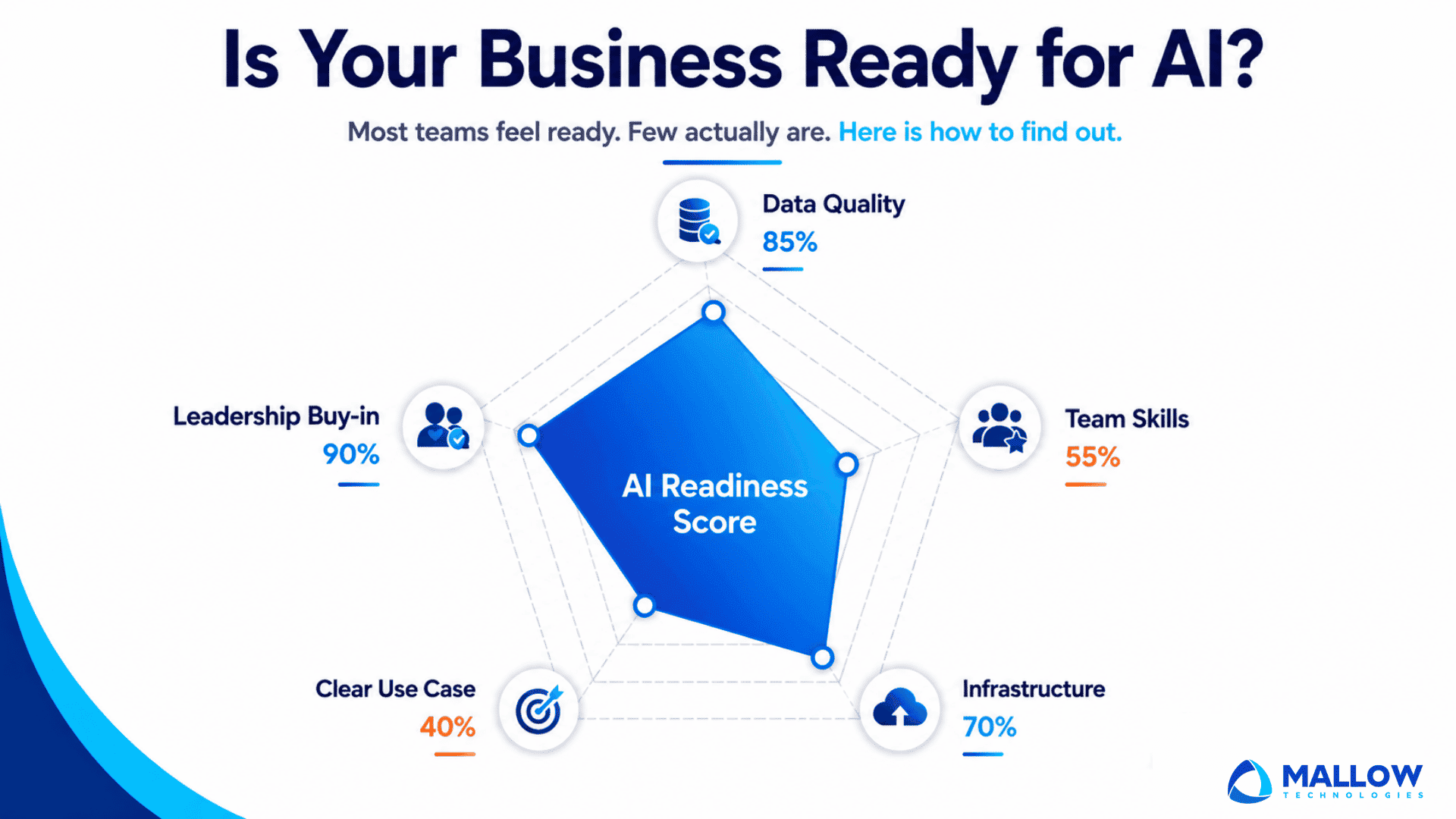
The conversation in your last board meeting probably included the phrase “we need to be doing more with AI.” Your investors are asking about it. Your competitors are announcing it. And somewhere in the middle of all that, you are trying to figure out whether your organisation is actually in a position to build something that works. The honest […]
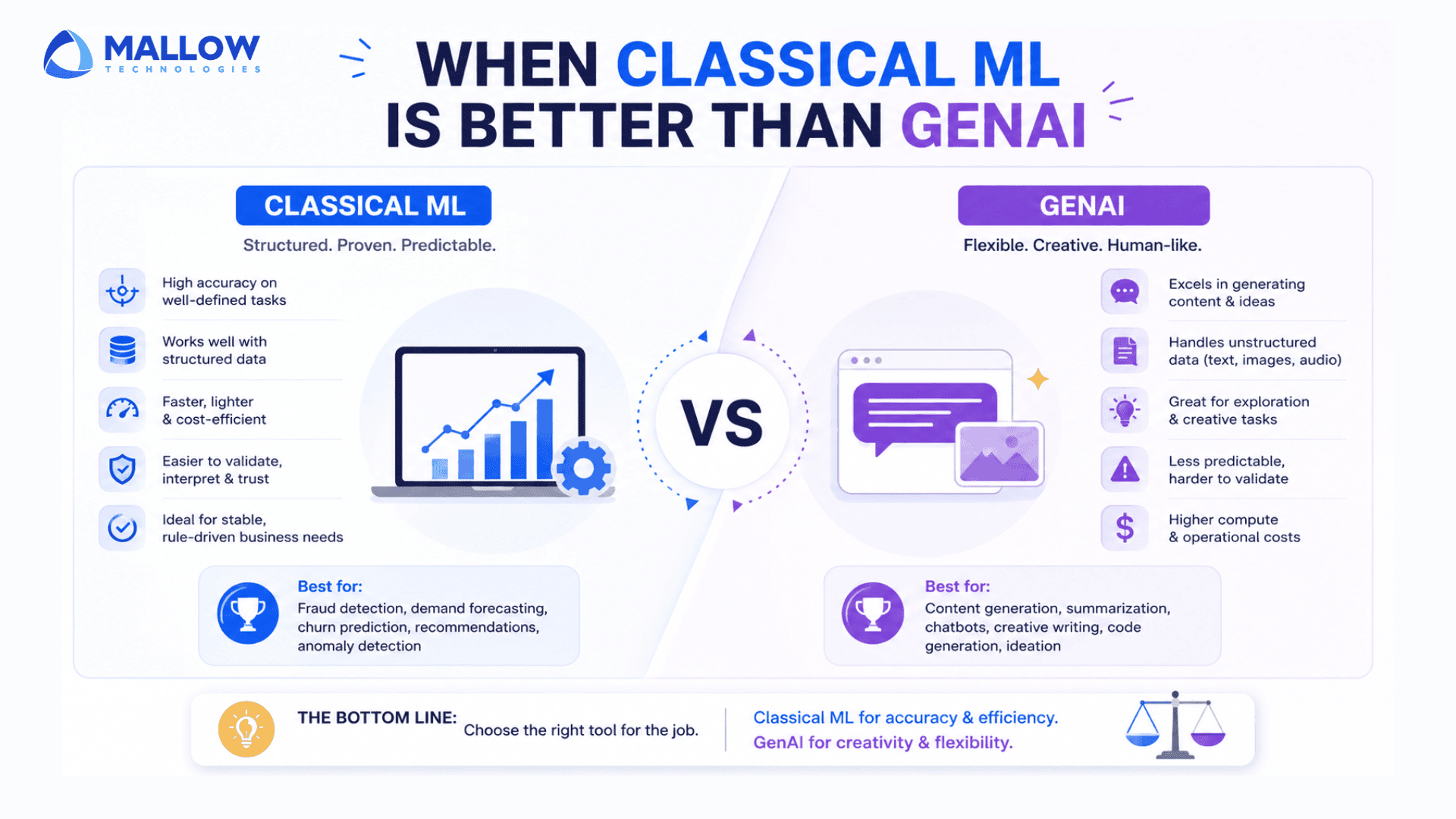
Somewhere in the last eighteen months, a decision got made in a lot of product teams that sounded reasonable at the time. The question was “should we add AI to this feature?” and the answer was “yes, we should use one of the big language models.” Nobody in the room pushed back. GenAI was what everyone was […]
There is a distinction that most SaaS teams building GenAI features do not make early enough, and it costs them significantly when they discover it in production. The distinction is between users trusting your feature and your feature being trustworthy. A GenAI feature can earn user trust quickly. The outputs sound confident. The interface feels […]