

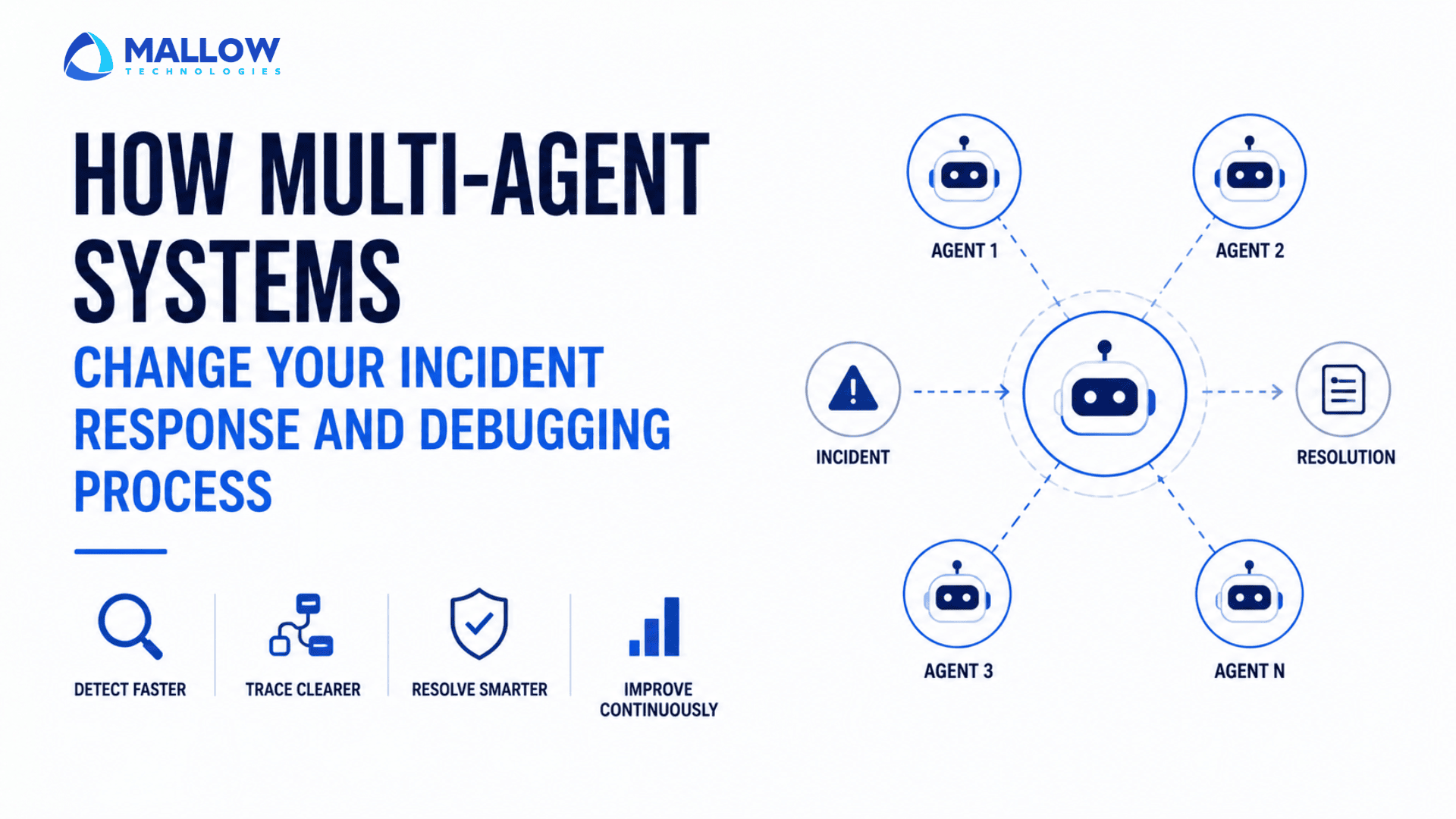
The first production incident in a multi-agent system almost always goes the same way. Something in the output is wrong. Someone files a bug. An engineer opens the logs. The logs show that every individual agent reported success. The orchestrator reported success. The output is still wrong. The engineer spends four hours in traces before […]
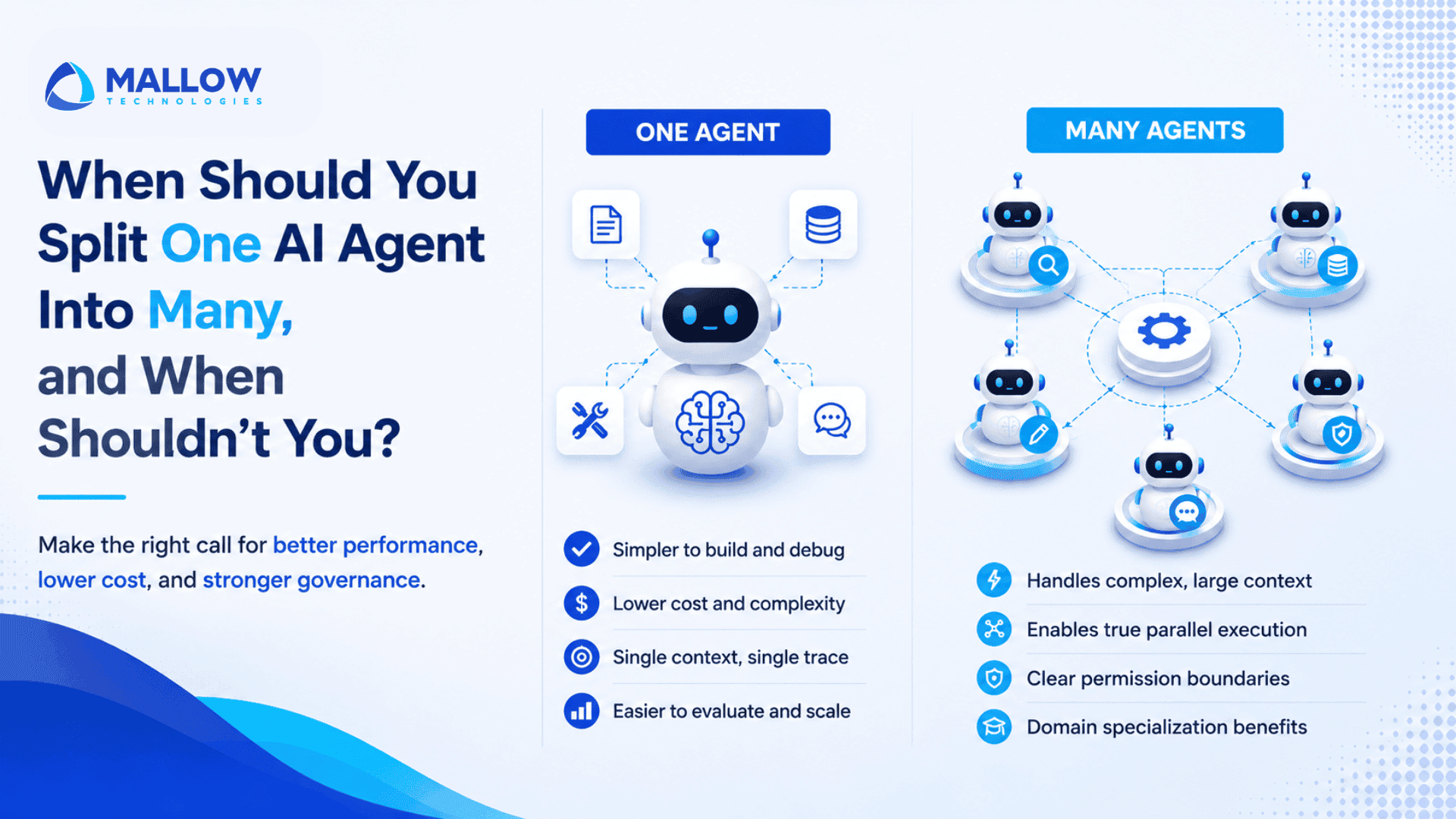
Once a single AI agent is working reliably, the next question many teams ask is whether it is time to split it into multiple specialised agents. At first glance, the idea seems logical. Multiple agents promise better specialisation, parallel execution, and greater flexibility. But in practice, a multi-agent architecture is not automatically better. In many […]
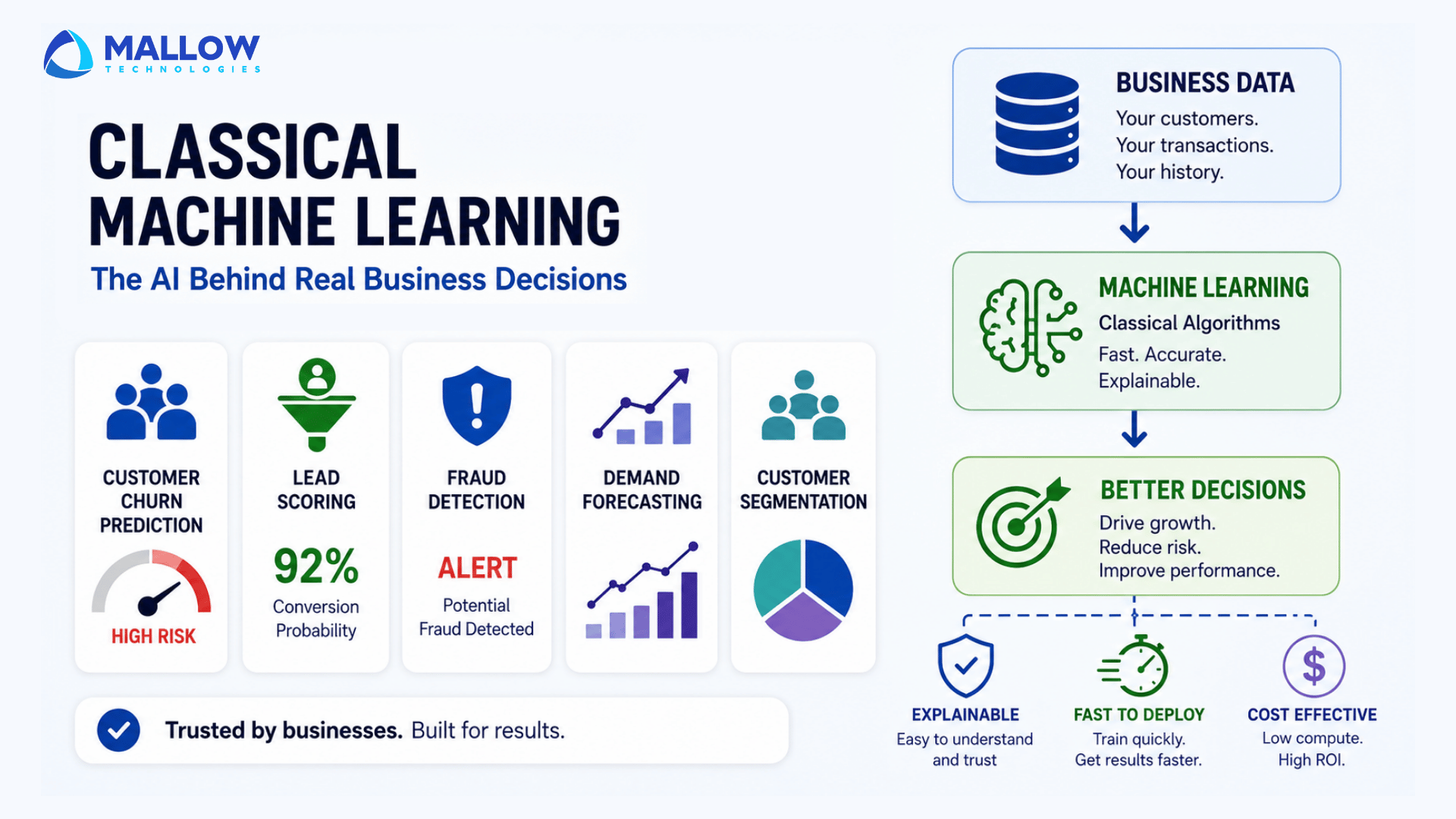
You have sat through three AI demos this quarter. Two of them involved GPT. One involved a neural network diagram nobody in the room fully understood. And somewhere in all of it, your team is trying to answer a very practical question – which customers are most likely to churn next month? That question does […]
Building a GenAI prototype is not the hard part. The demo works. The outputs look convincing. The team is excited. The hard part is everything that comes next. According to Gartner’s April 2026 analysis of GenAI project failures, at least 50 percent of GenAI projects are abandoned after proof of concept. Of the projects that do proceed, […]
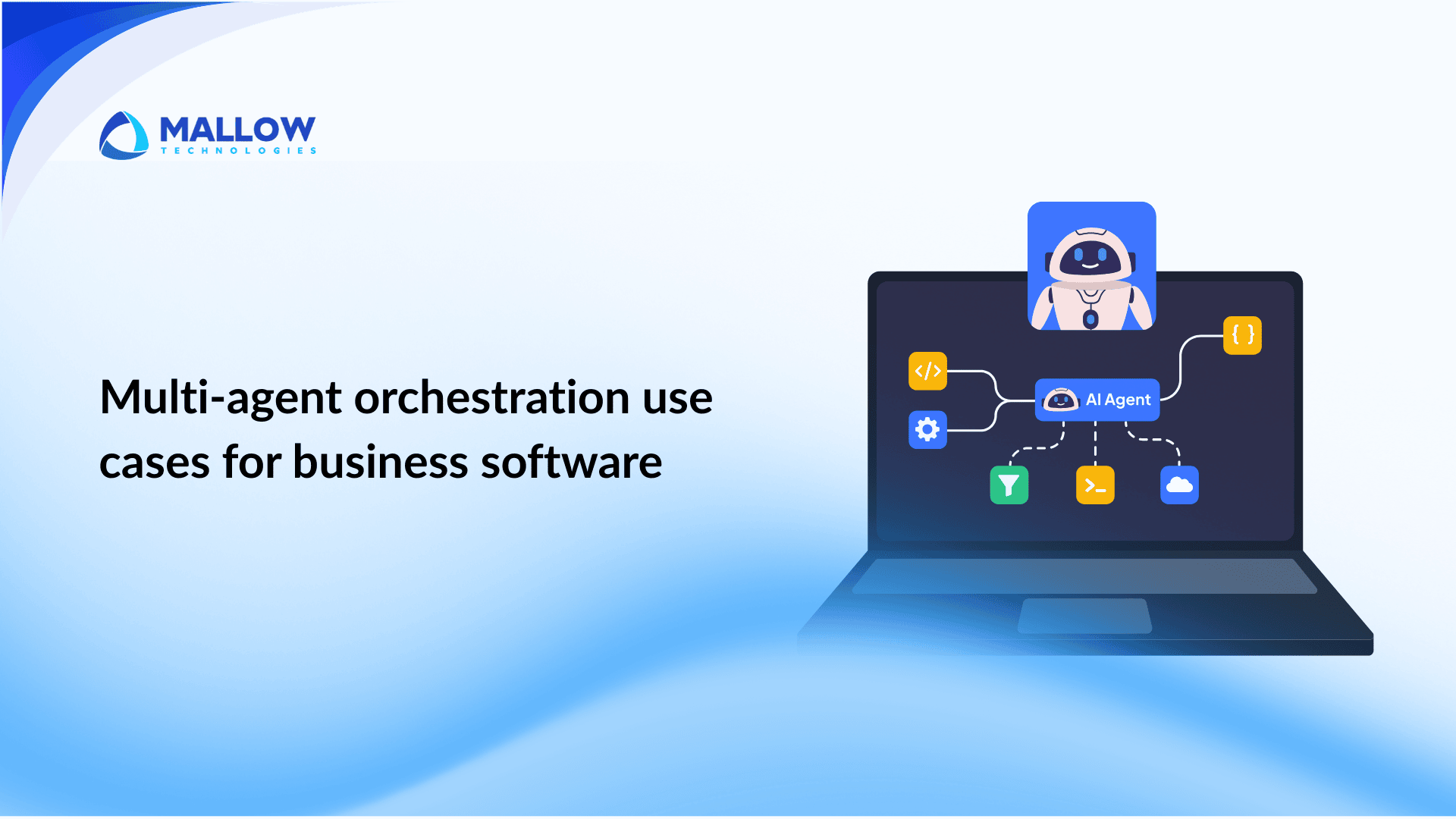
Most content about multi-agent orchestration describes what it is. This article describes where it actually works in production business software, what the coordination looks like inside each use case, and which ones are worth prioritizing for a first build. The distinction matters because not every workflow benefits from multi-agent orchestration, and not every use case that sounds appealing is production-ready. […]
Most AI chatbots sound impressive for the first 30 seconds and then lose the user. They answer questions, but they do not help people move toward a decision, a booking, or a purchase. That is the difference between a chatbot that looks good and a chatbot that actually drives business value. For product and platform […]
For years, enterprise automation has largely operated on a predictable principle: define the rules, structure the workflow, and let the system execute repetitive tasks efficiently. That model helped businesses streamline a wide range of operational processes. Teams automated approvals, ticket routing, invoice processing, notifications, onboarding flows, and customer support escalations through predefined logic built into […]
Enterprise AI projects usually begin with excitement. A team experiments with a large language model, uploads a few internal documents, asks some questions, and suddenly the possibilities feel enormous. Employees can retrieve information conversationally. Customer support responses become faster. Internal search appears dramatically smarter. For a brief moment, it feels like the organization has solved […]
The first wave of enterprise AI adoption was largely centered around individual agents. A business would identify a repetitive workflow, connect a language model to a retrieval system or a few operational tools, and deploy an AI assistant capable of handling a specific set of tasks. In many early-stage implementations, this worked well enough. Teams […]
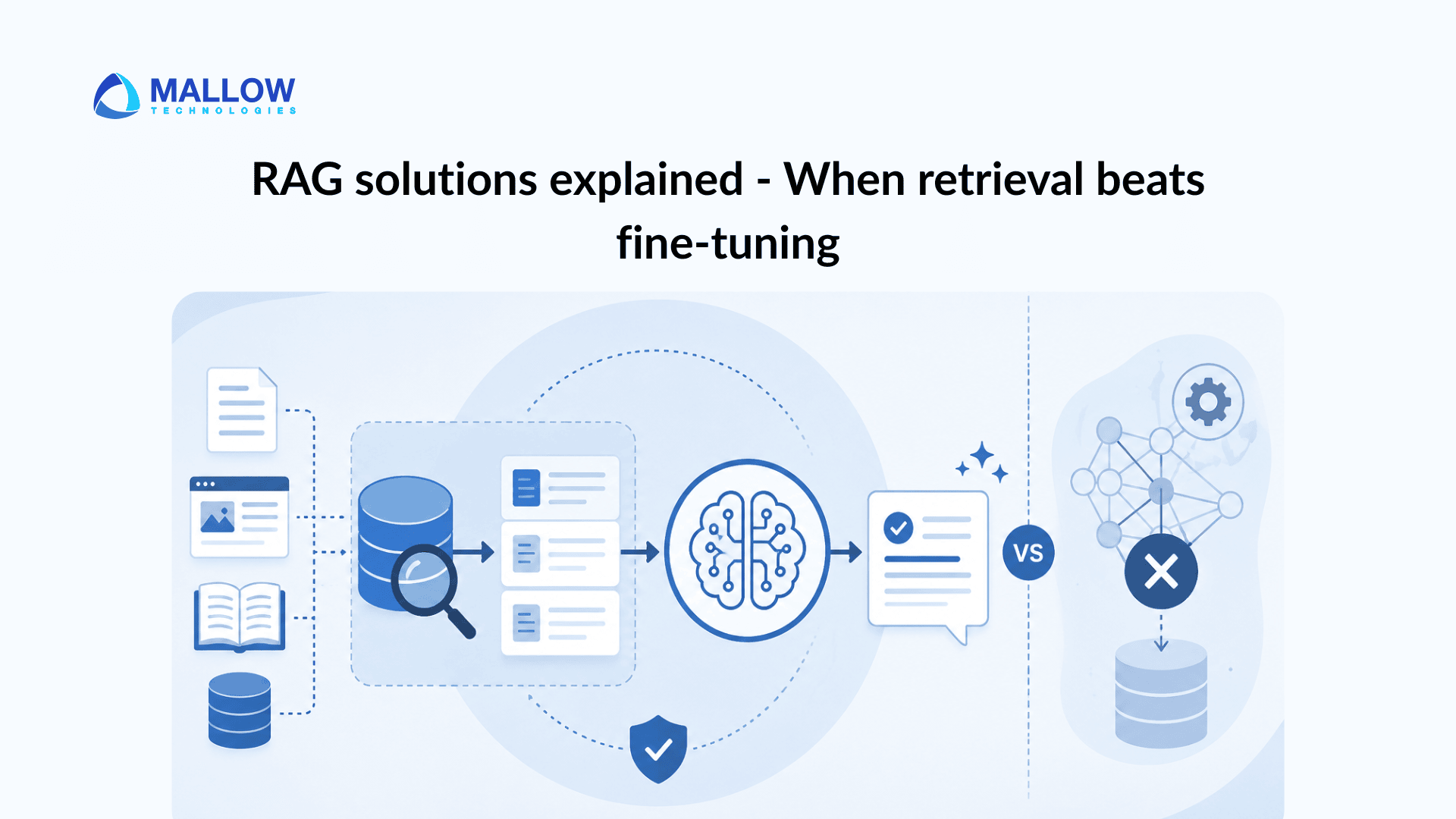
Enterprise AI conversations have changed dramatically over the last year. A short while ago, most discussions revolved around model capabilities. Businesses were fascinated by how large language models could generate content, summarize information, write code, or answer questions conversationally. Now the conversation is becoming more operational. Companies are asking a much more practical question – […]