

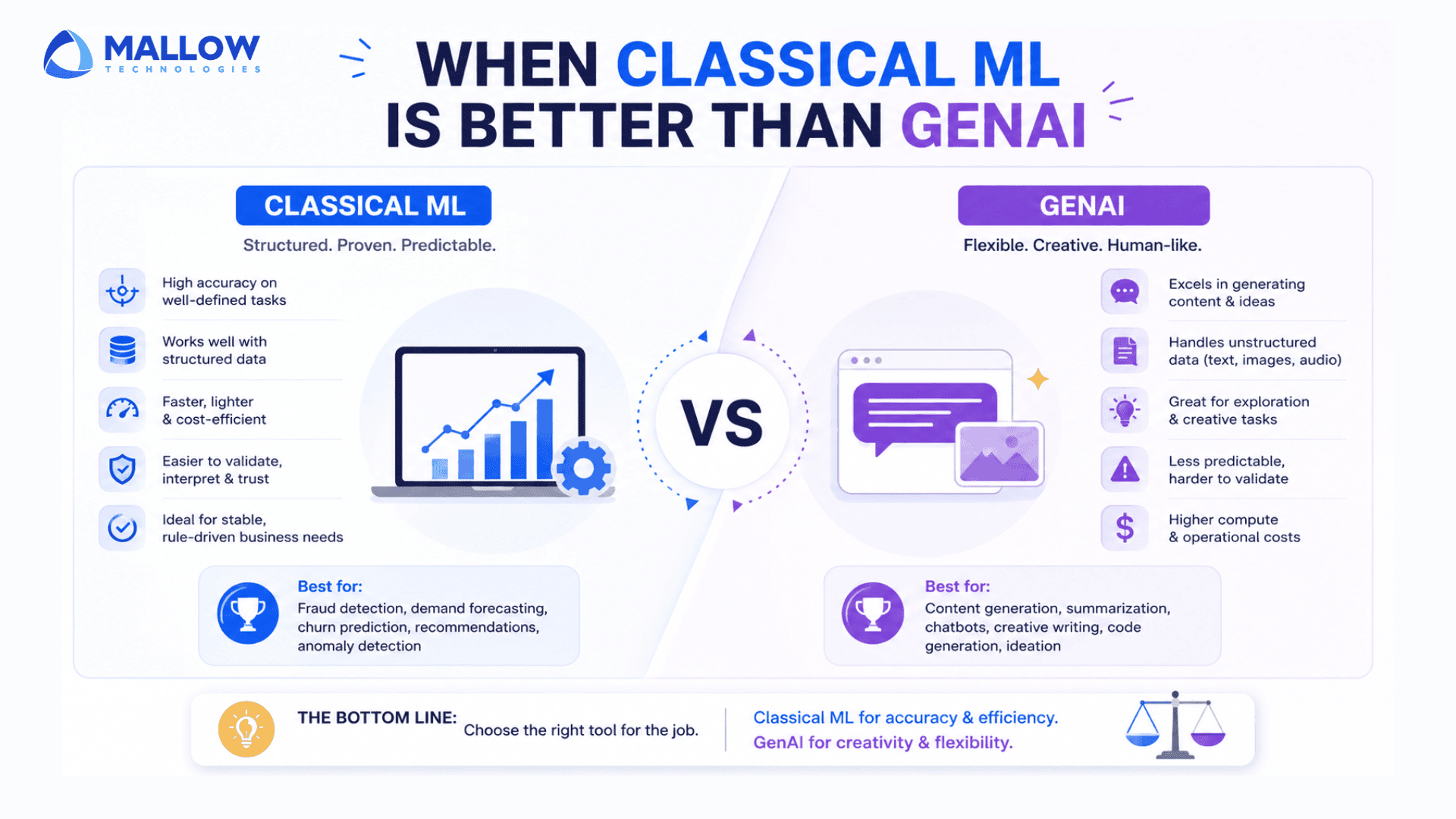
Somewhere in the last eighteen months, a decision got made in a lot of product teams that sounded reasonable at the time. The question was “should we add AI to this feature?” and the answer was “yes, we should use one of the big language models.” Nobody in the room pushed back. GenAI was what everyone was […]
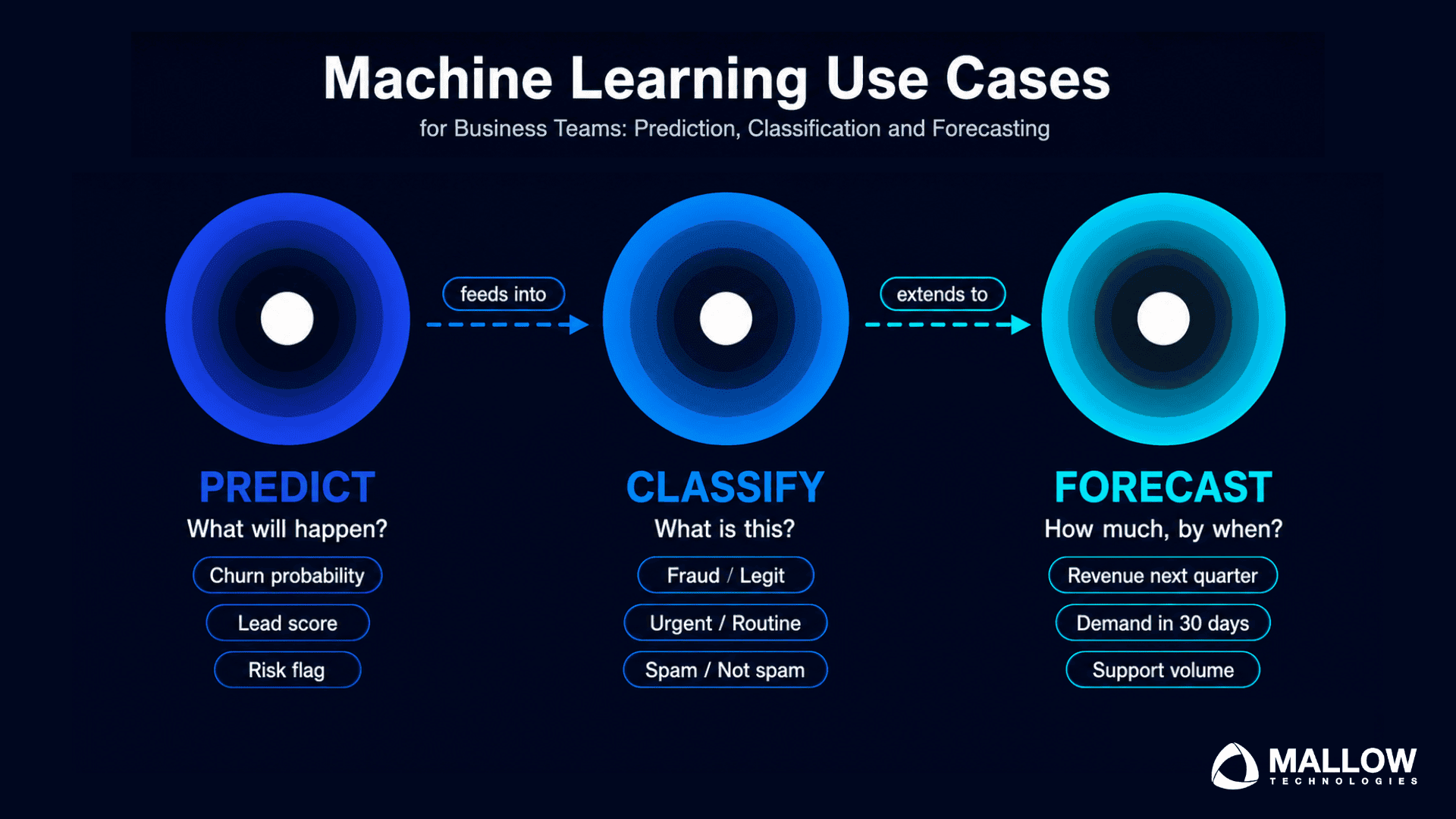
Your team has decided to add ML to the product. Now someone in the room says “we need to predict this” and someone else says “no, we need to classify it” and a third person is sketching a forecasting model on the whiteboard. The meeting ends without a decision. This confusion is not a technical problem. It […]
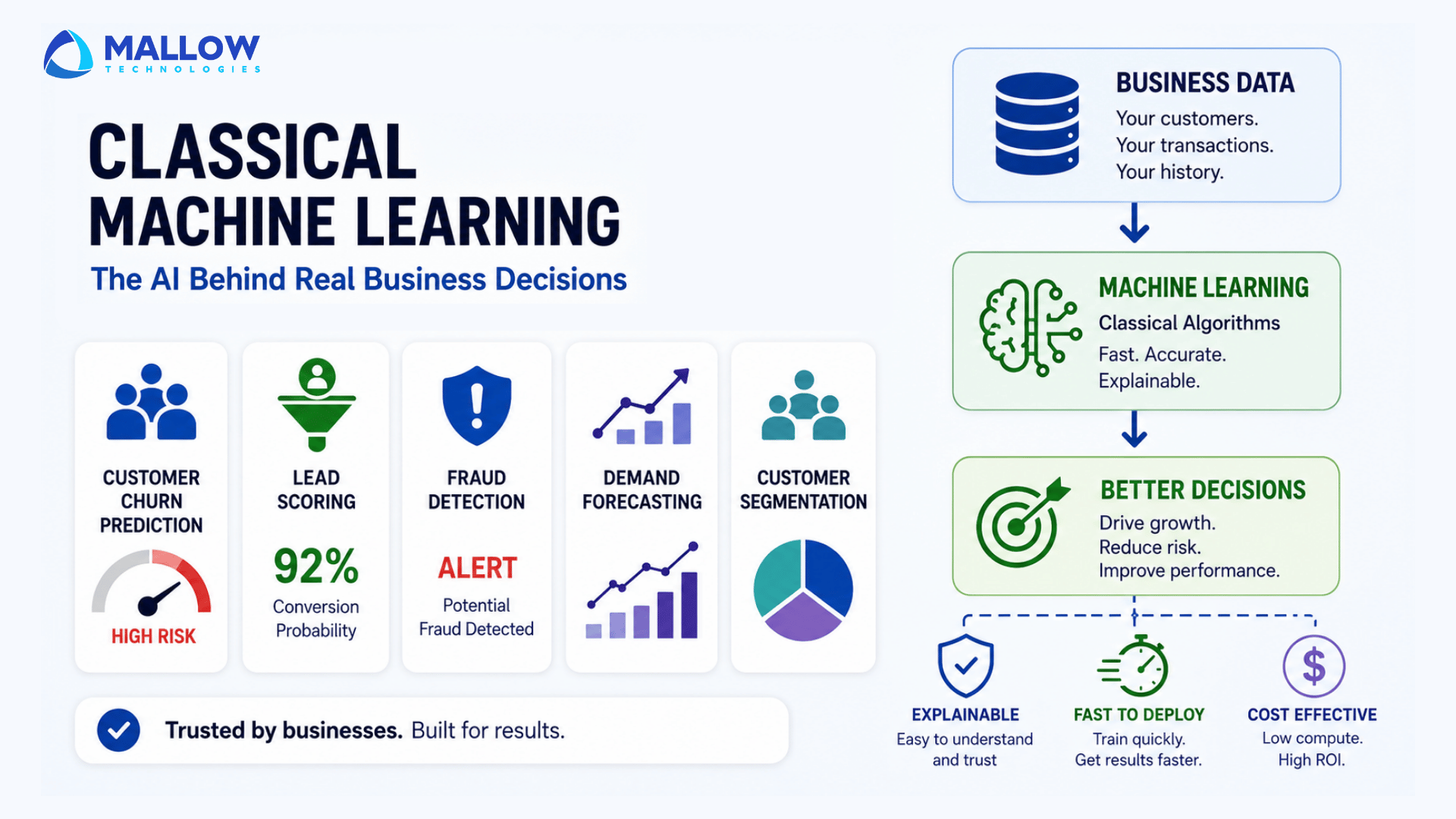
You have sat through three AI demos this quarter. Two of them involved GPT. One involved a neural network diagram nobody in the room fully understood. And somewhere in all of it, your team is trying to answer a very practical question – which customers are most likely to churn next month? That question does […]
Building a GenAI prototype is not the hard part. The demo works. The outputs look convincing. The team is excited. The hard part is everything that comes next. According to Gartner’s April 2026 analysis of GenAI project failures, at least 50 percent of GenAI projects are abandoned after proof of concept. Of the projects that do proceed, […]
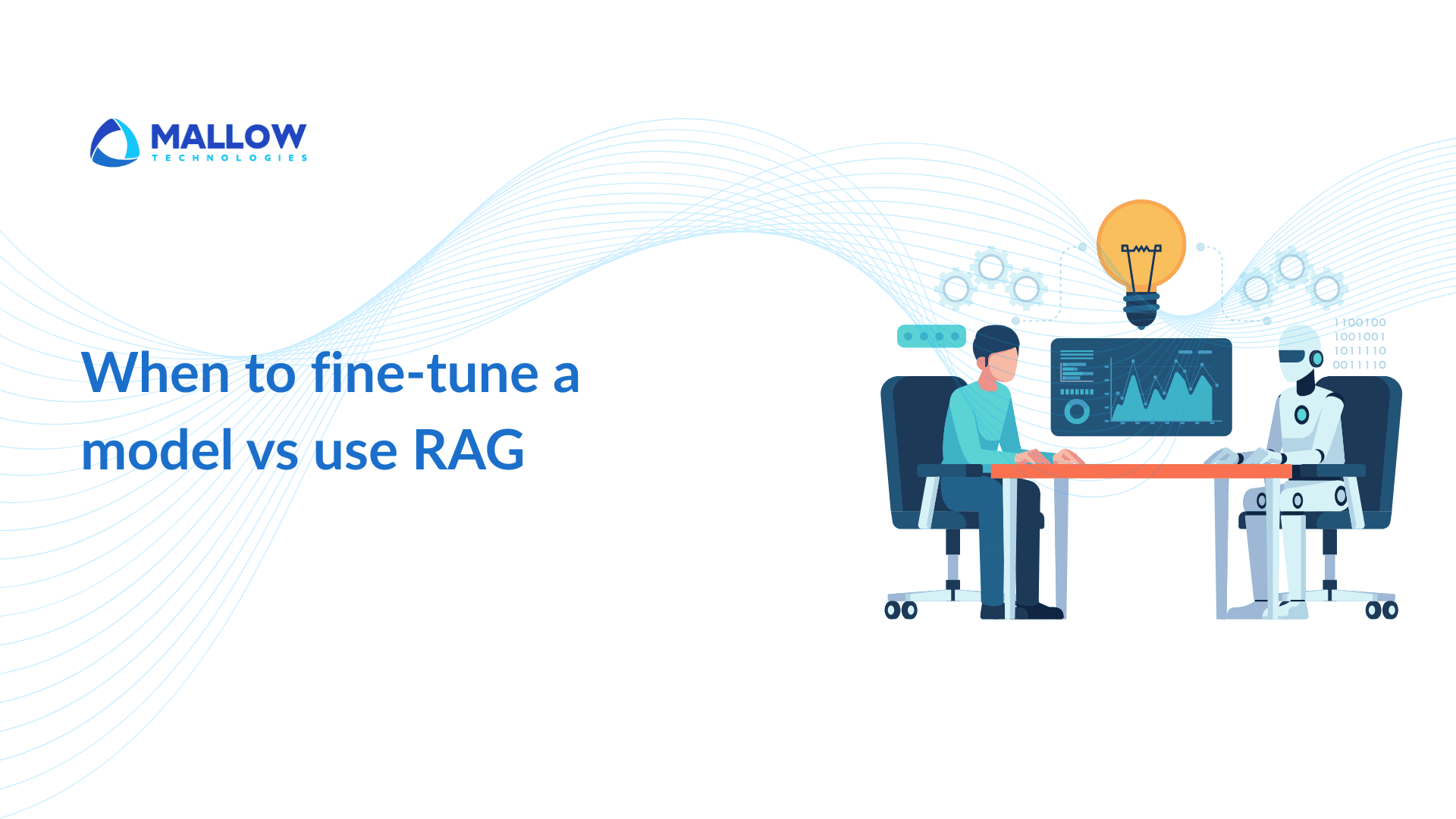
Ask most engineering teams when they chose between RAG and fine-tuning and the honest answer is – before they fully understood the problem they were solving. A proof of concept gets built with whichever approach the team was most familiar with. That approach either works or does not. If it does not, the other approach […]
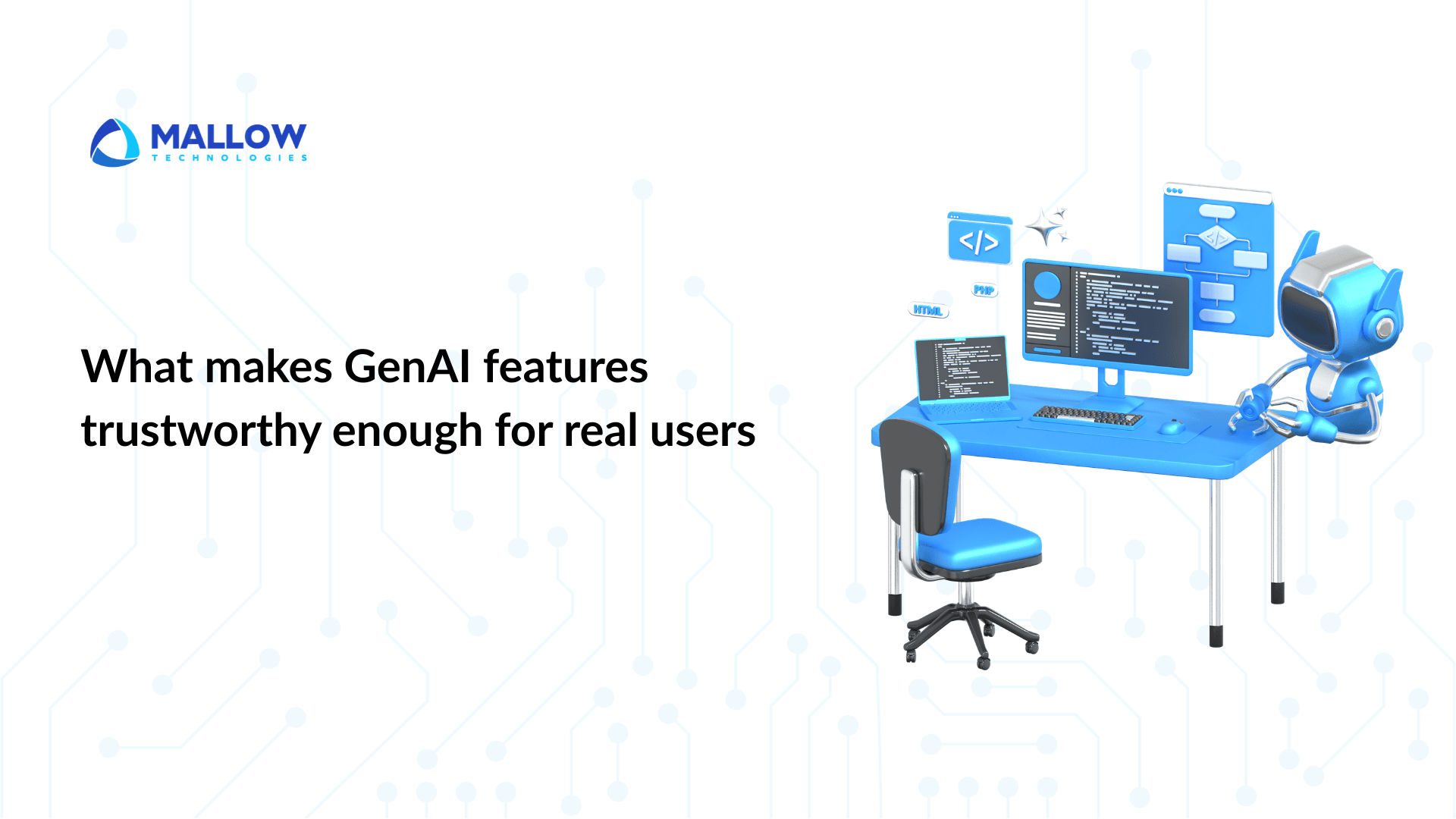
There is a distinction that most SaaS teams building GenAI features do not make early enough, and it costs them significantly when they discover it in production. The distinction is between users trusting your feature and your feature being trustworthy. A GenAI feature can earn user trust quickly. The outputs sound confident. The interface feels […]
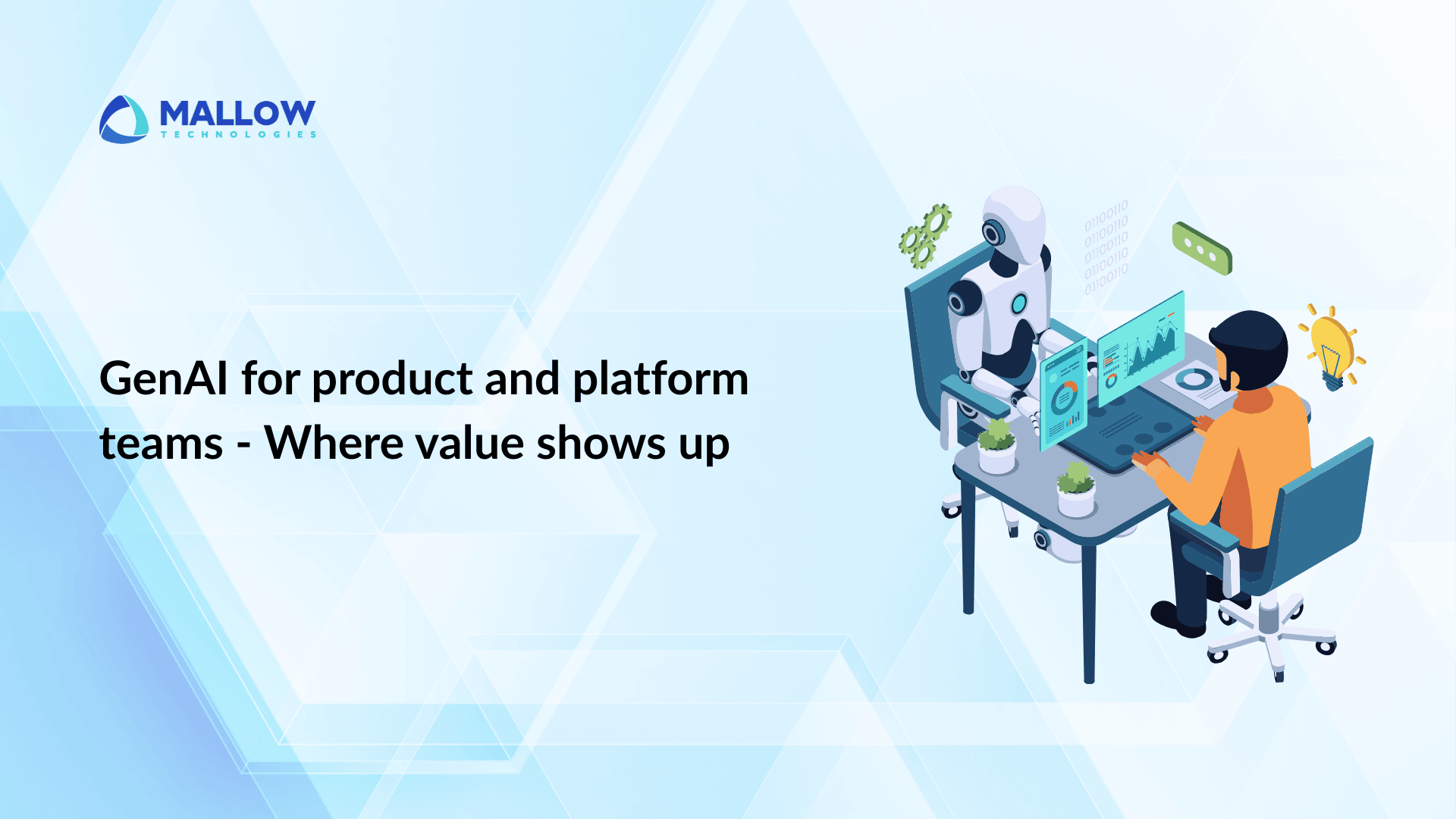
Most organisations that have experimented with generative AI in their product and engineering teams share a version of the same experience. The pilot looked promising. Code was being generated faster. The demos impressed. Then adoption stalled, the productivity numbers came in lower than projected, and the ROI question went unanswered at the next quarterly review. […]
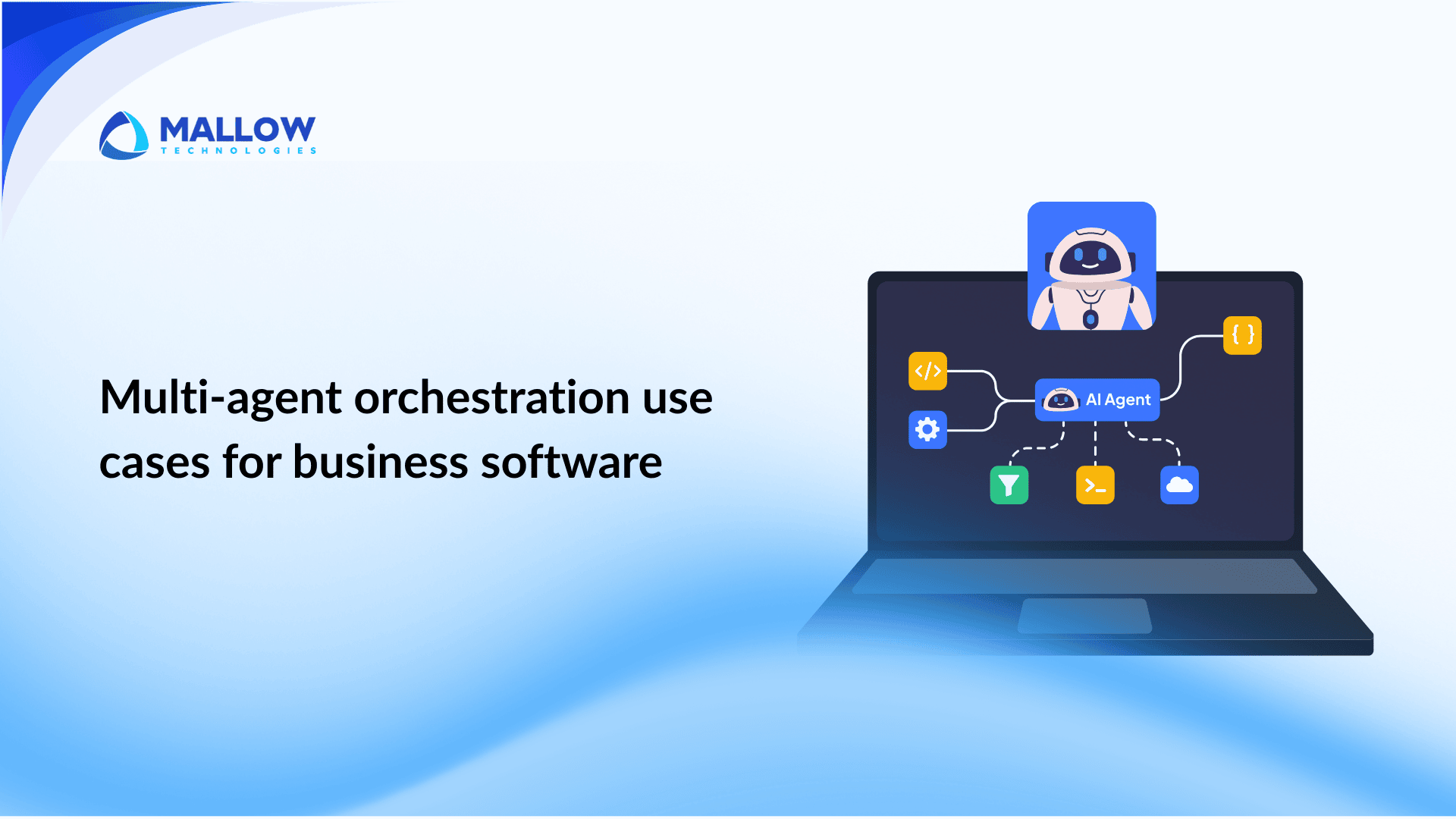
Most content about multi-agent orchestration describes what it is. This article describes where it actually works in production business software, what the coordination looks like inside each use case, and which ones are worth prioritizing for a first build. The distinction matters because not every workflow benefits from multi-agent orchestration, and not every use case that sounds appealing is production-ready. […]
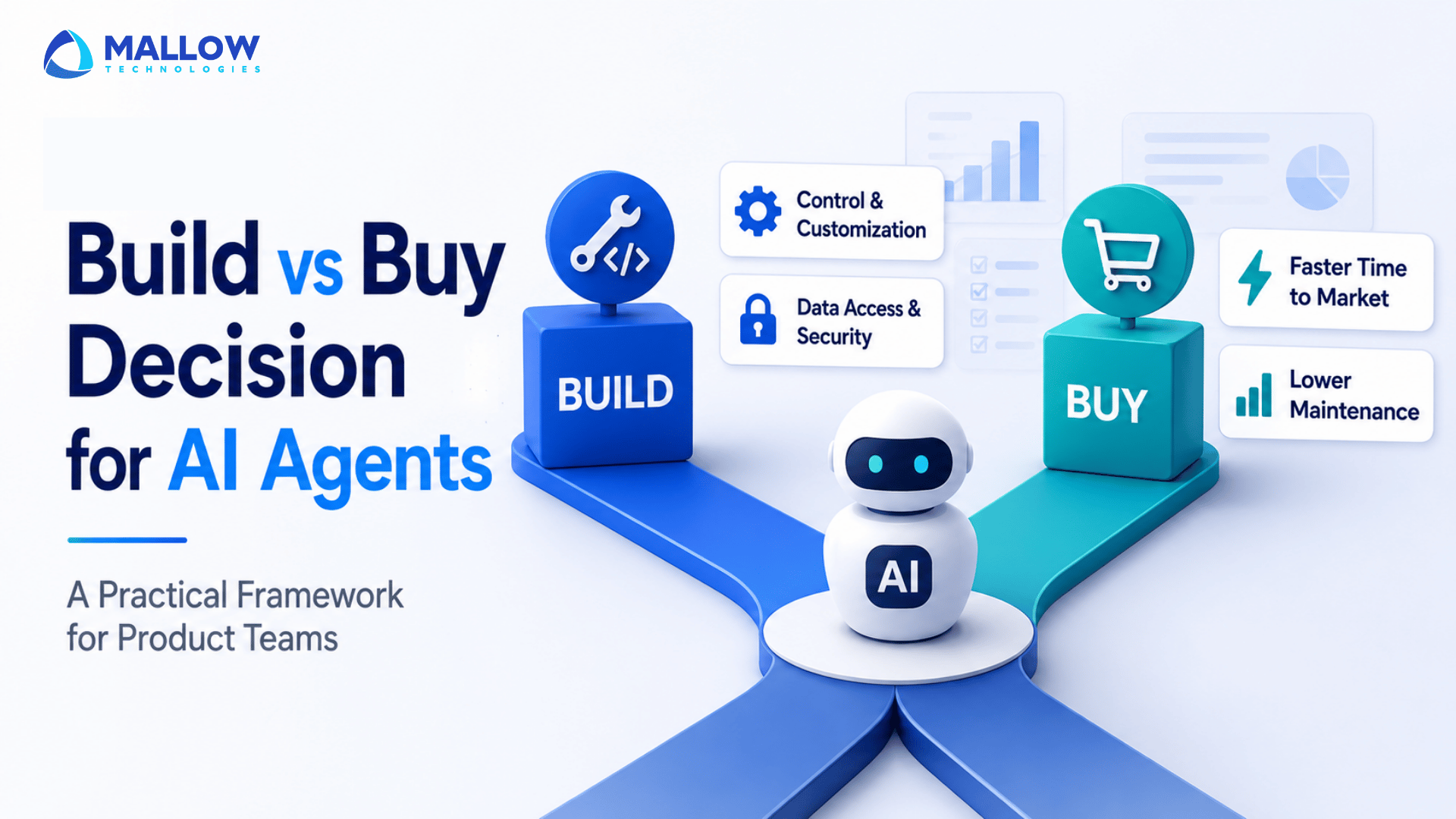
The standard advice for build vs buy decisions in SaaS is well-worn – buy commoditised infrastructure, build what differentiates you. Use Stripe for payments, Twilio for messaging, Auth0 for authentication. Build your core product workflow. Everyone broadly agrees on this, and it works for most decisions. AI agents break it. Not because the principle is […]
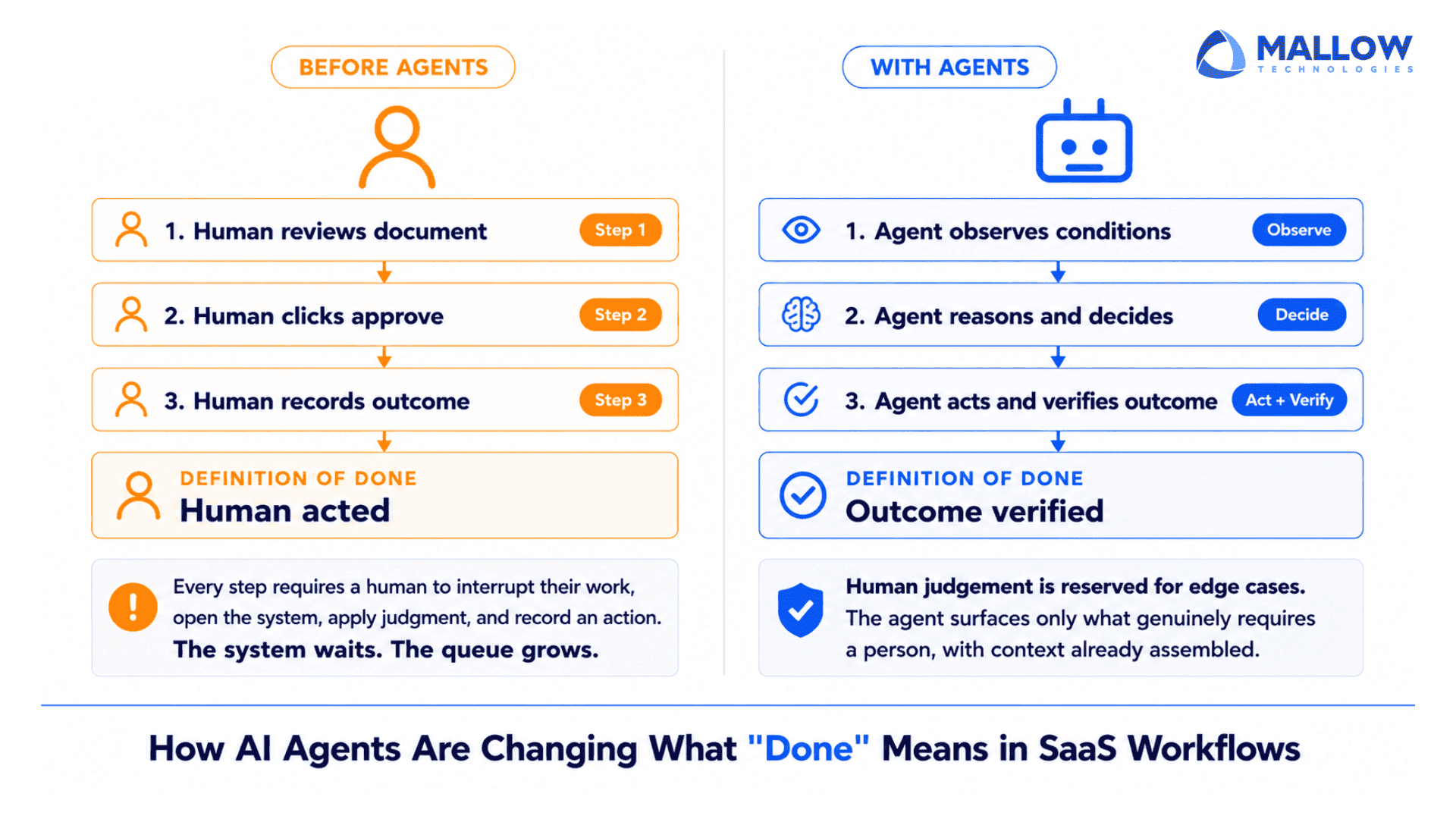
Most conversations about AI agents in SaaS circle around the same question – what can it automate? That is a reasonable starting point, but it is the wrong frame for the more significant shift that agents introduce. The deeper change is not about speed or task reduction. It is about the definition of a completed […]